LG AI Youth Camp
Silicon Valley Camp
Jul 16, 2024
·
AI Translation
This post was translated from Korean with the help of AI. Some nuance may be lost.
Getting Ready
A month or two after the domestic camp wrapped up, LG started sending emails asking for the required information. It had been a while since I’d traveled internationally — my passport had expired, so I had to renew it. I also bought a new suitcase and packed everything up. The camp was run by Digital Media Academy, an organization that operates tech camps abroad, so I also had to submit whatever paperwork they needed. Before I knew it, the departure date had arrived.
Airport
I showed up as early as I could to avoid any chance of being late — got my roaming set up, ate, and still had time to kill. I sat in a café testing whether Tailscale (which I’d set up so I could connect back to my home network from the US) was working properly.
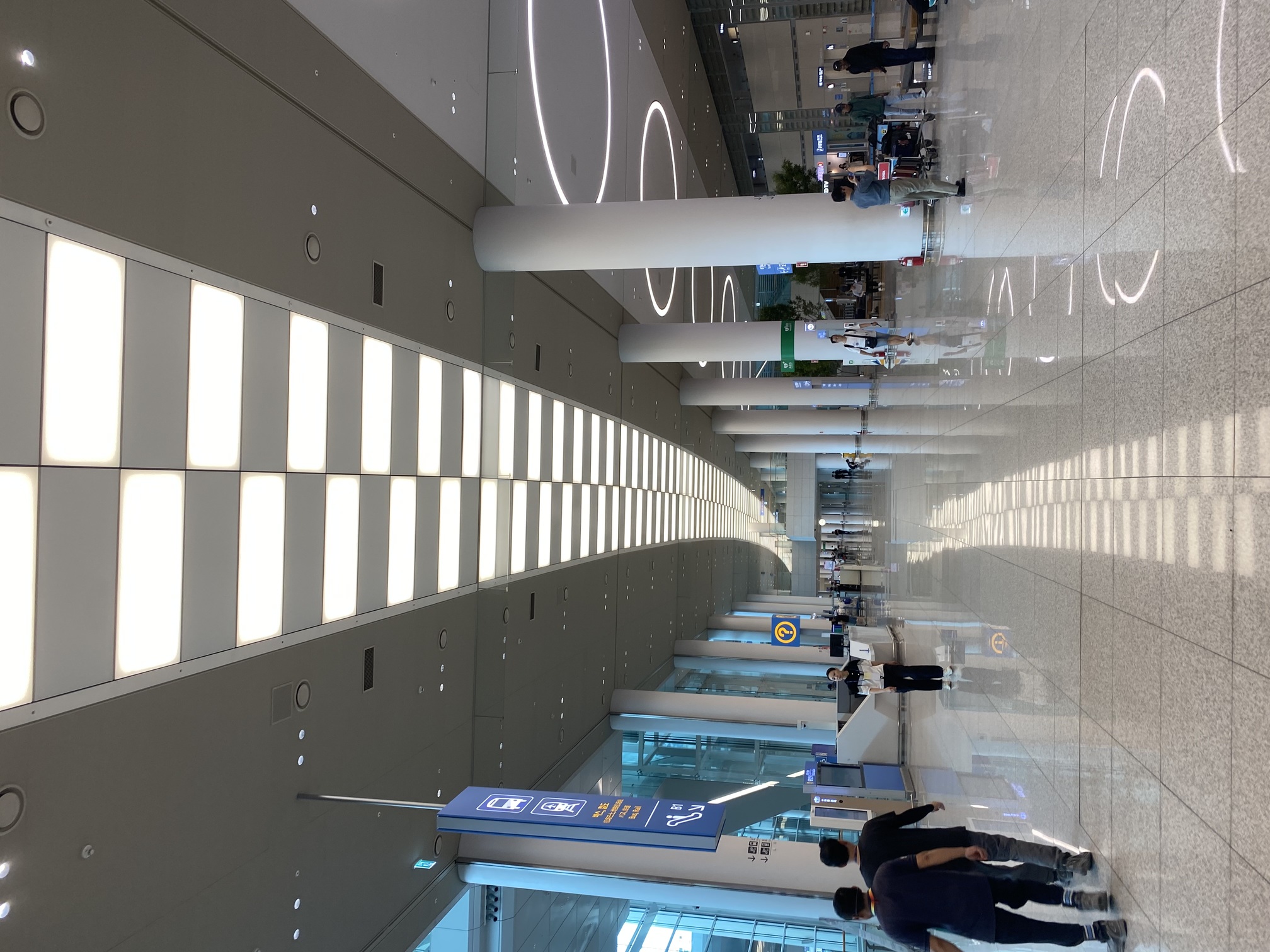
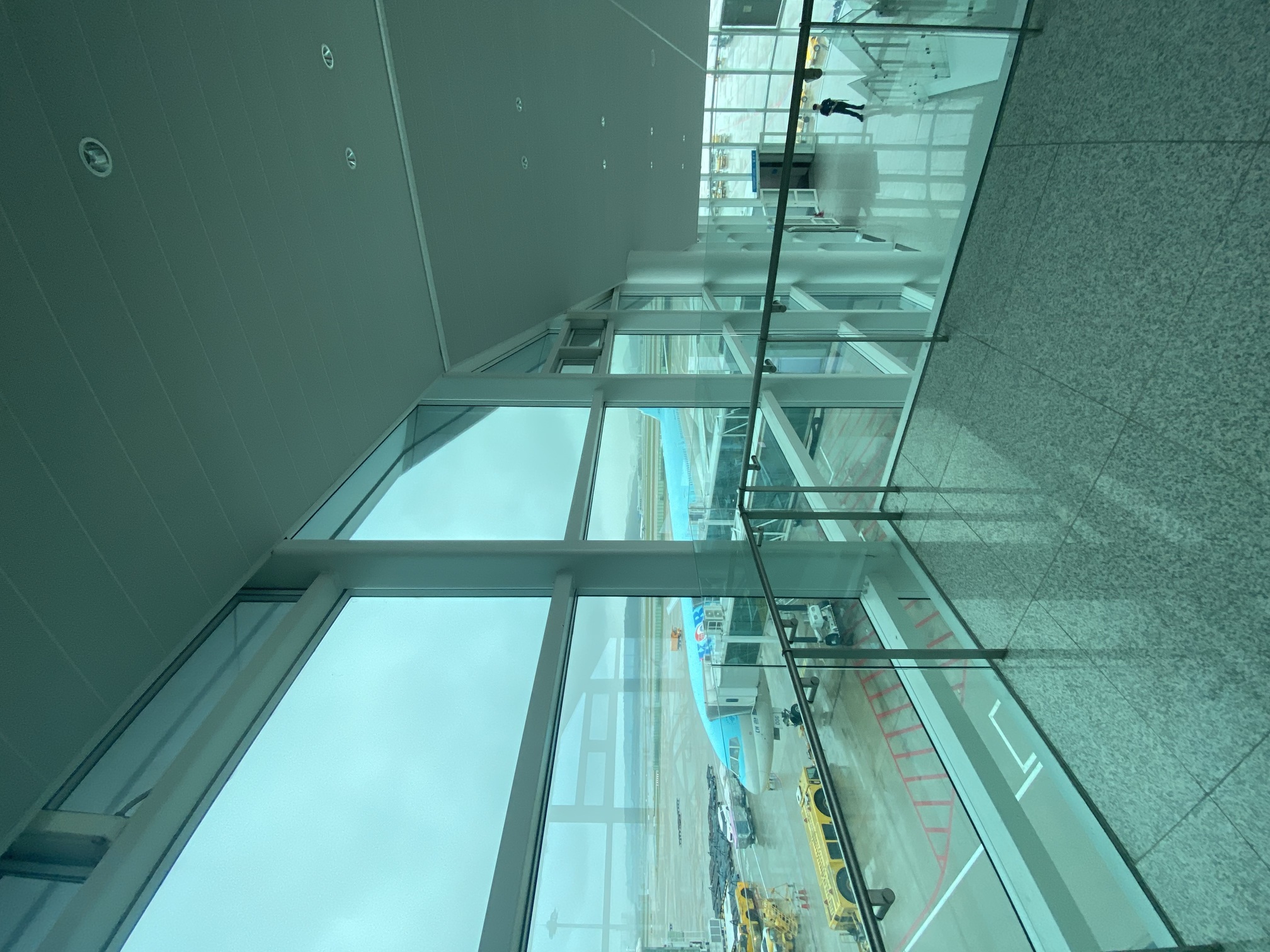
When it was time, we all met at the gathering point and went through security together, then waited at the gate before boarding.
I watched movies and shows on the plane basically the entire time.
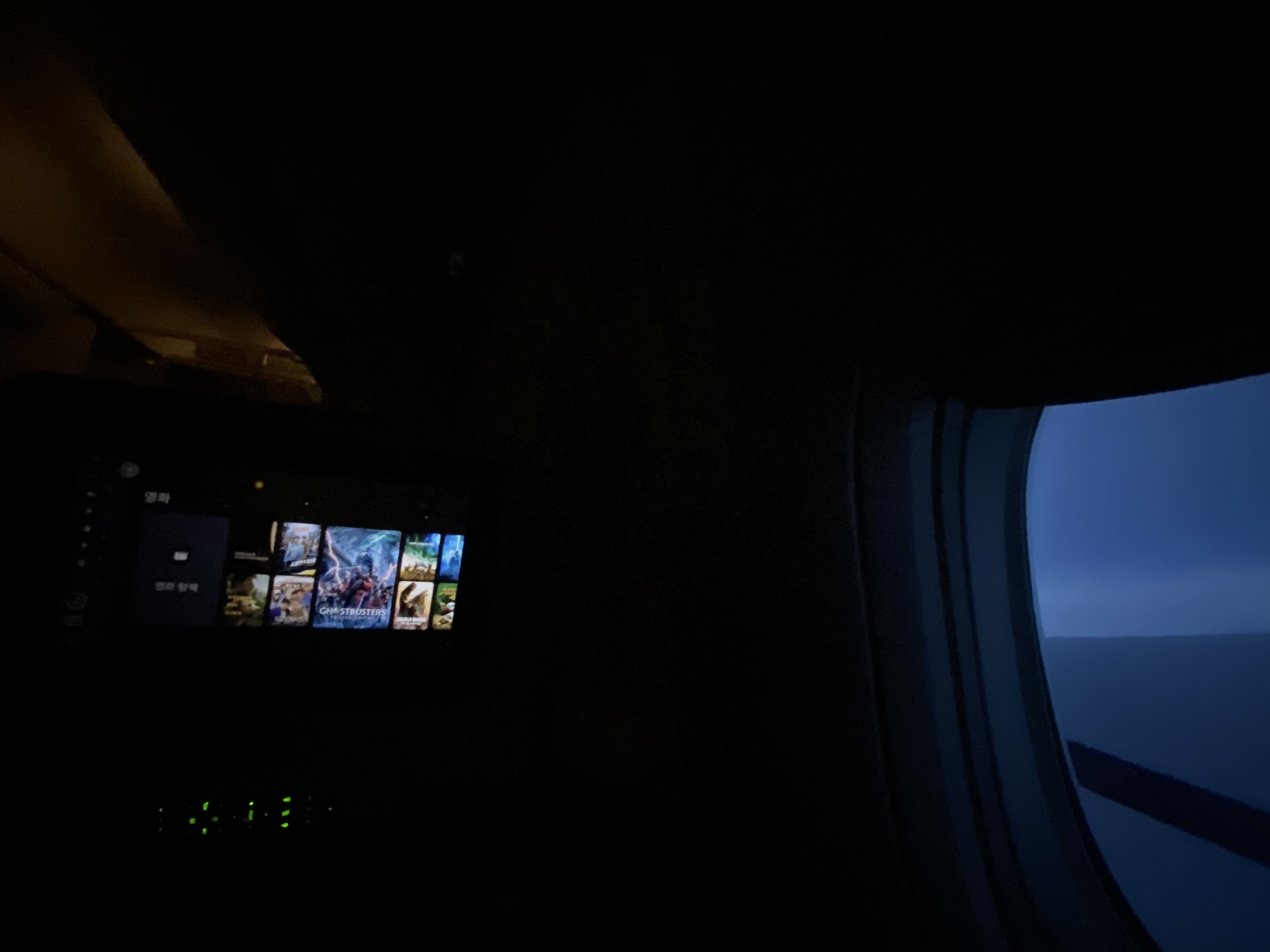
I only slept about 2 hours on the 12-hour flight, which was basically pulling an all-nighter — but somehow I wasn’t tired at all when we landed.
Day 1 (7/16)
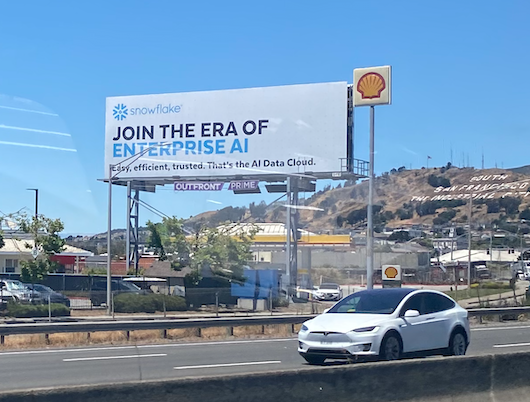
Leaving the airport, I started noticing the freeway billboards. Vercel, Framer, Stripe, Notion — seeing logos I actually recognized made it hit that I was really in Silicon Valley. I took a bunch of photos.
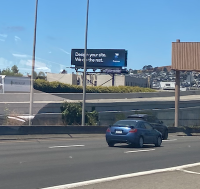
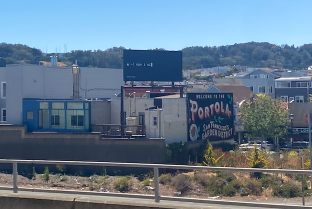
First meal was pho, then we went to the Exploratorium — a science museum in San Francisco. It was one of the most memorable places from my 2019 visit, so getting to go back felt good.
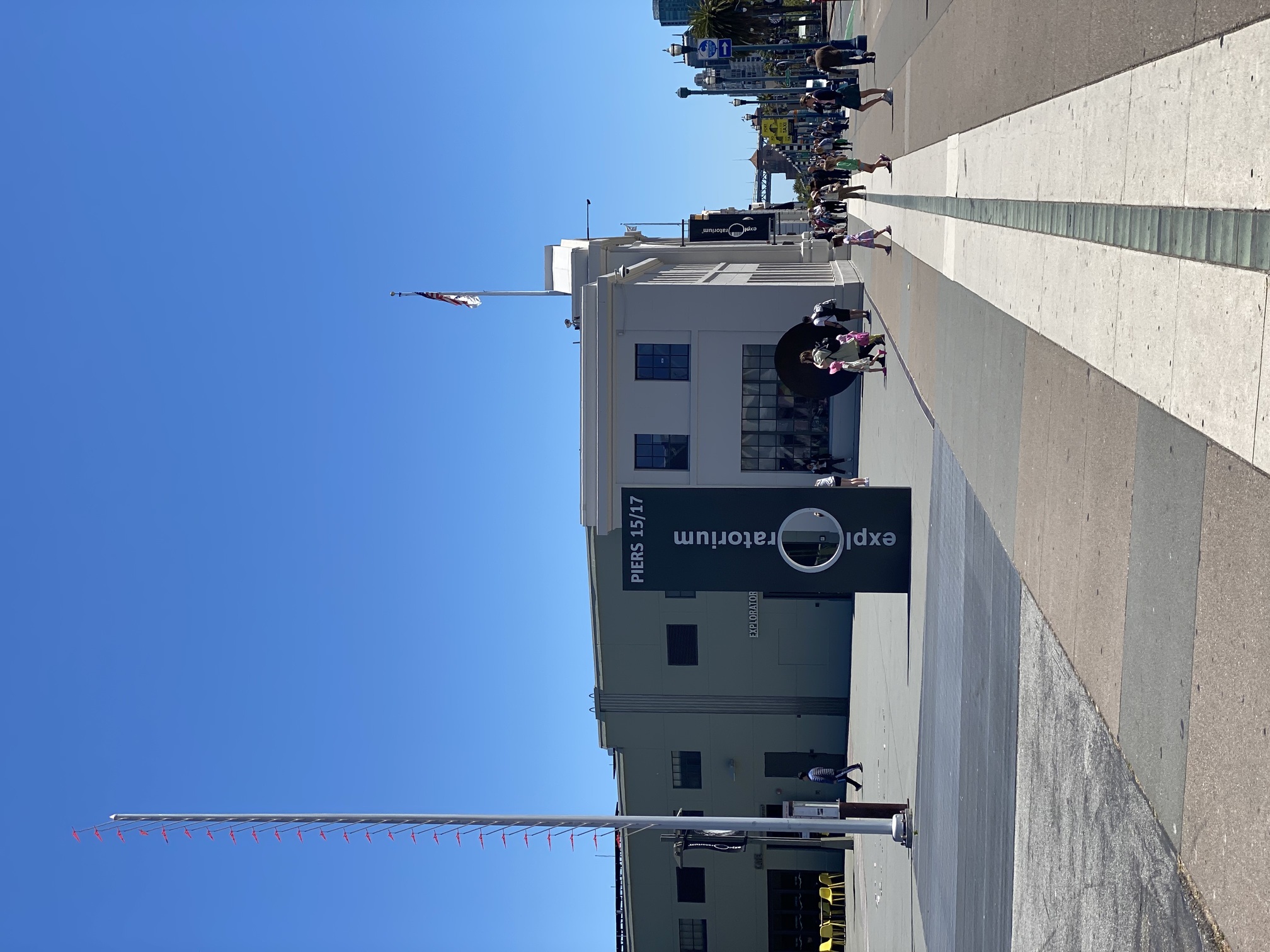
What makes it special is that you don’t just look at things — most exhibits let you actually experiment. Light interference, gas particle motion, resonance — I got to manipulate real variables and see what happened. They also have a visible workshop inside where staff build and maintain the exhibits, which probably explains why almost nothing was broken. As someone who’s been to plenty of science museums in Korea, I was genuinely impressed.
After the museum, we had dinner at Taverna, a Greek restaurant in Palo Alto. We didn’t quite read the menu right and ended up with a full course for 16 people. I think the bill came out to around ₩3,000,000. The food was… fine, I think.
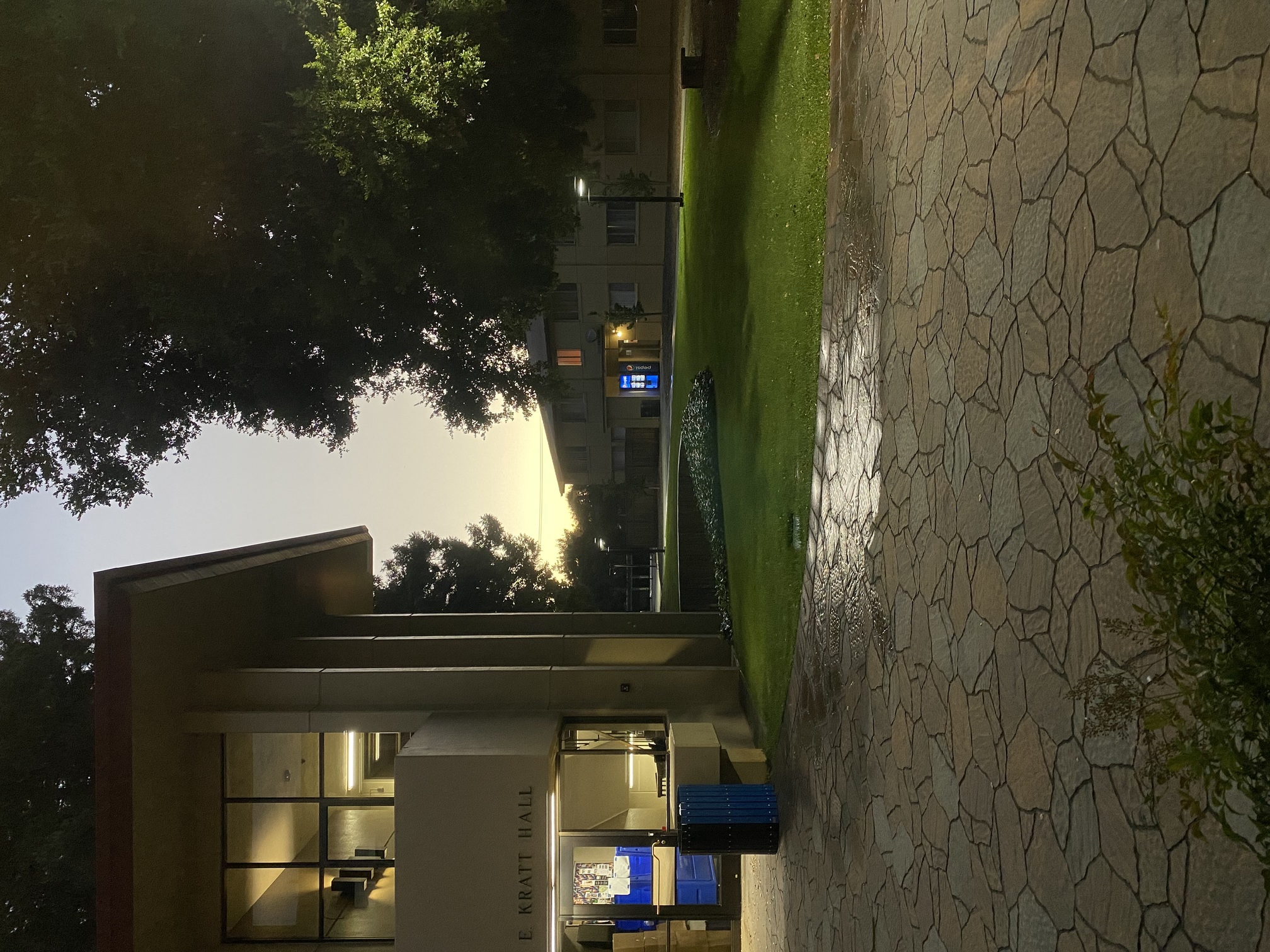
Our dorm was inside Menlo College, a small business-focused college near Stanford. The facilities were decent. It was a quiet first night — I spent some time on my own before going to sleep at a relatively reasonable hour.
Day 2 (7/17)
First stop: the sinking ship that is Intel HQ. This was around the time it came out that their new CPUs were degrading themselves, which had people talking (and eventually led to talks of selling off the foundry business).
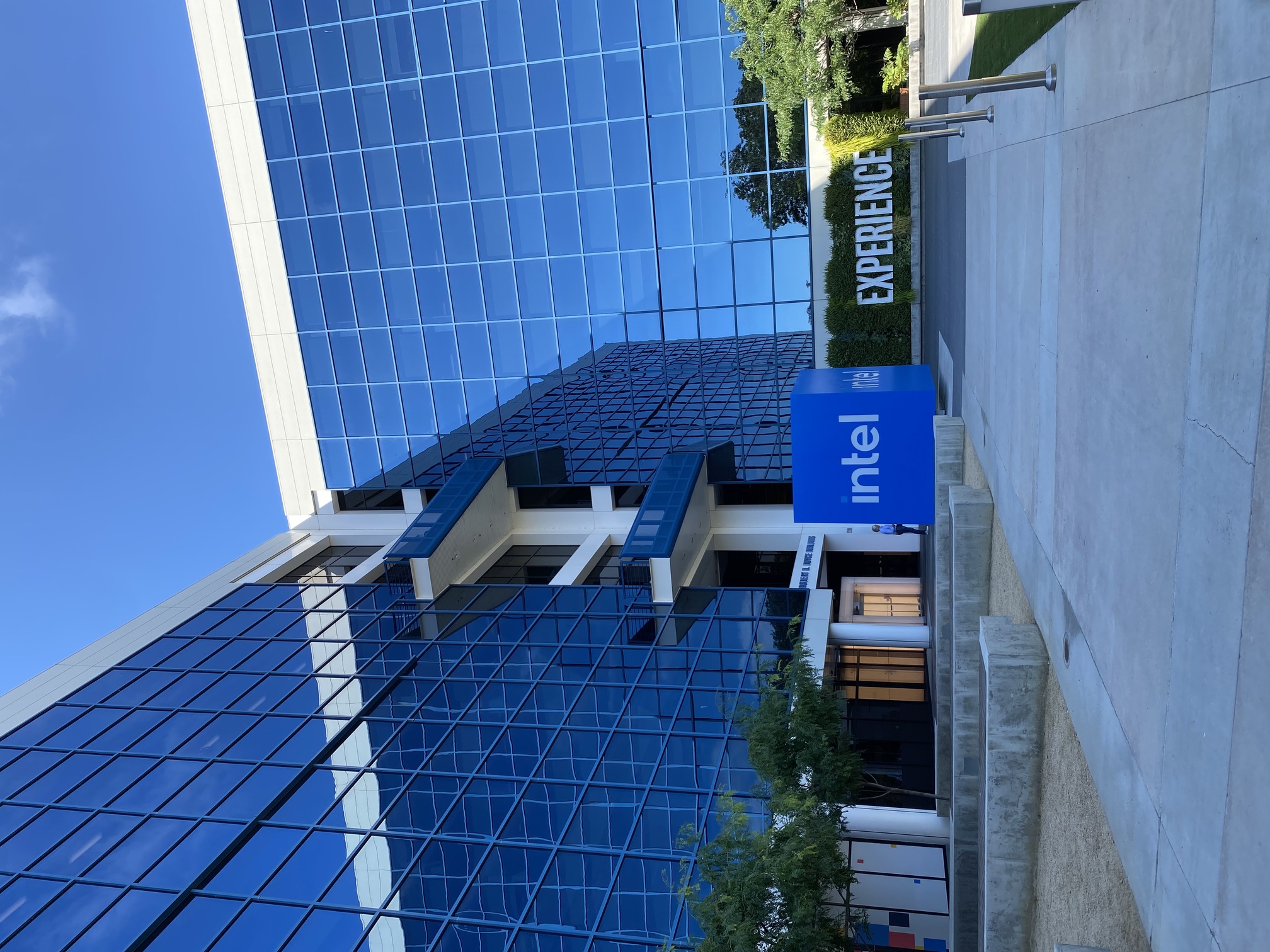
We couldn’t actually go into the main building, so we just visited the visitor center. It had displays of old Intel chips, manufacturing equipment, and devices they’d been used in — but it was small and we got through it quickly.
Next was LG Technology Ventures, which we got to visit specifically because we were there through LG.
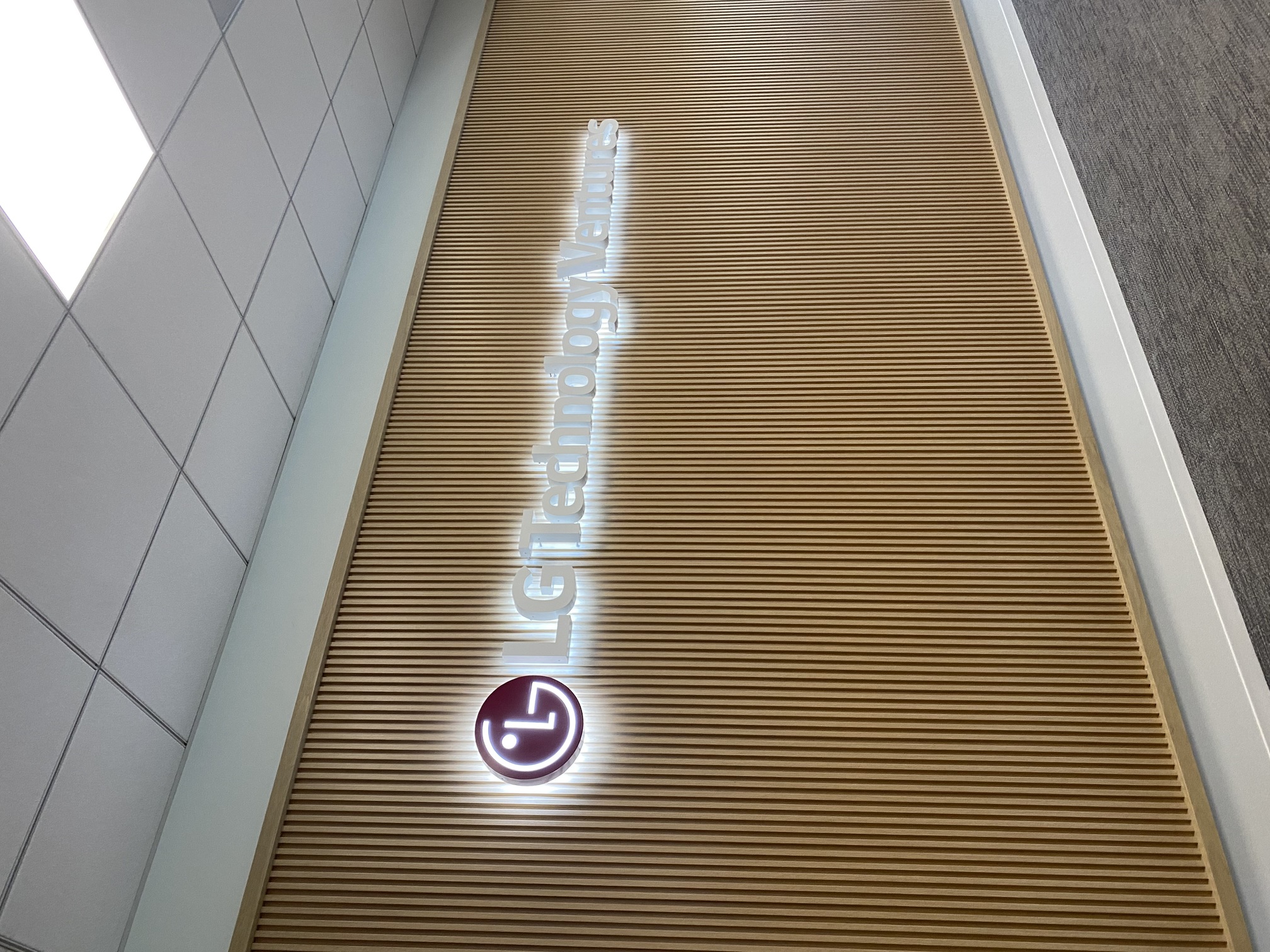
I’d been thinking more about startups lately, and that naturally led me to get interested in venture capital — a16z, Y Combinator, that kind of thing. Getting to actually visit a VC firm was great.
The team gave a quick overview of what VC is, then walked through some of their investments. One of them was Figure — a humanoid robotics startup using LLMs — which I immediately recognized. (I don’t think many people in the group knew it.)
During Q&A, I asked whether it’s better to raise VC funding when starting a company or to bootstrap. Taking investment means faster growth but more constraints down the line; bootstrapping is slower but gives you full control. I was curious what people who work in VC actually think. The answer was that there’s no right answer. Fair enough.
Before leaving, we got a quick look around the office. Spacious and well-designed — as you’d expect from people managing large sums of money.
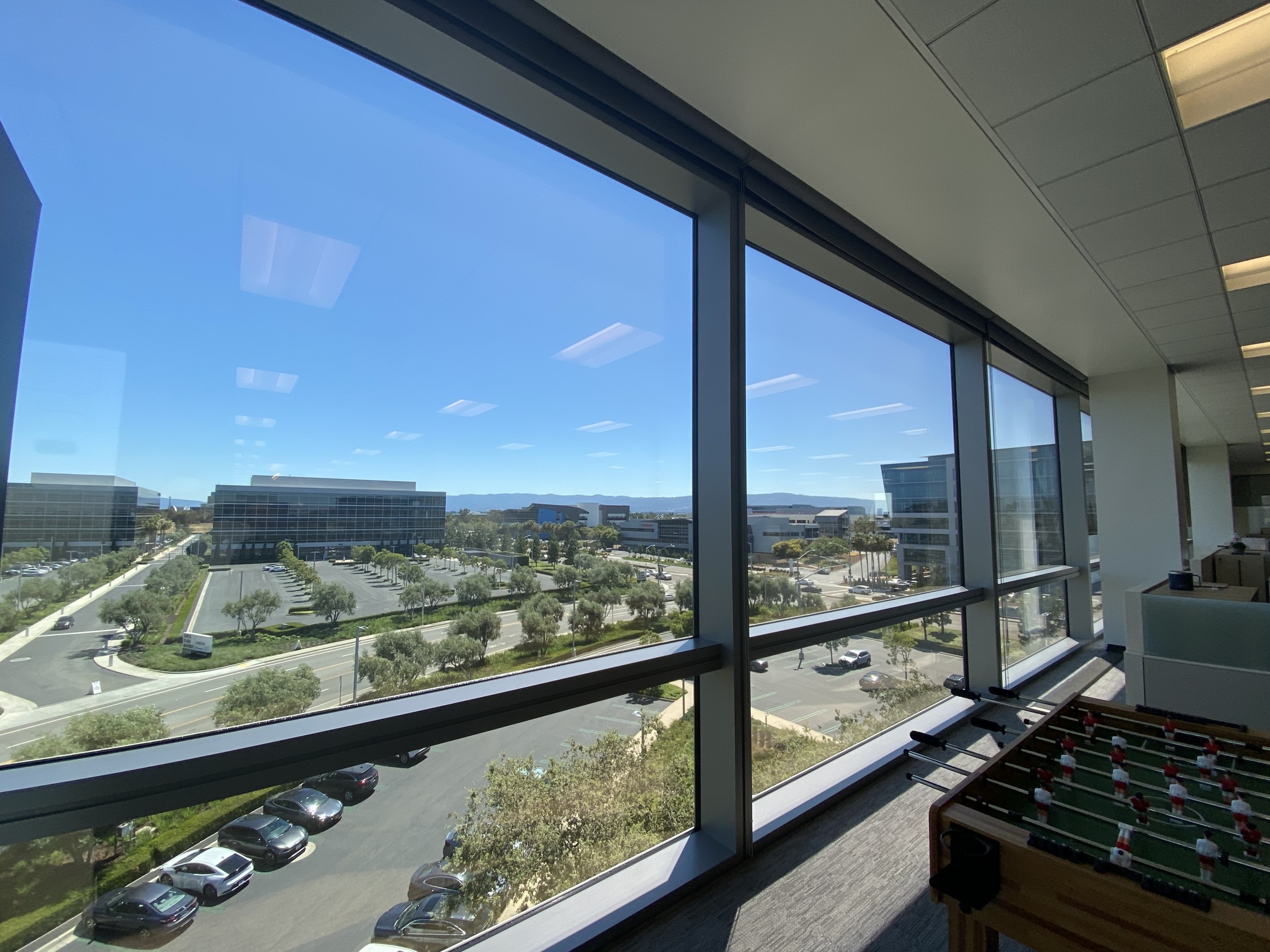
Next: Google HQ. I’d recently seen an exhibition about Heatherwick Studio at the old Seoul Station building, which featured the new Google campus designed in collaboration with BIG, so I was genuinely curious to see it in person.

It was immediately impressive. The building is called the Gradient Canopy — unlike the older campus buildings, it’s one massive structure divided into spaces inside, with an enormous tent-like roof overhead. The name makes sense once you see it.
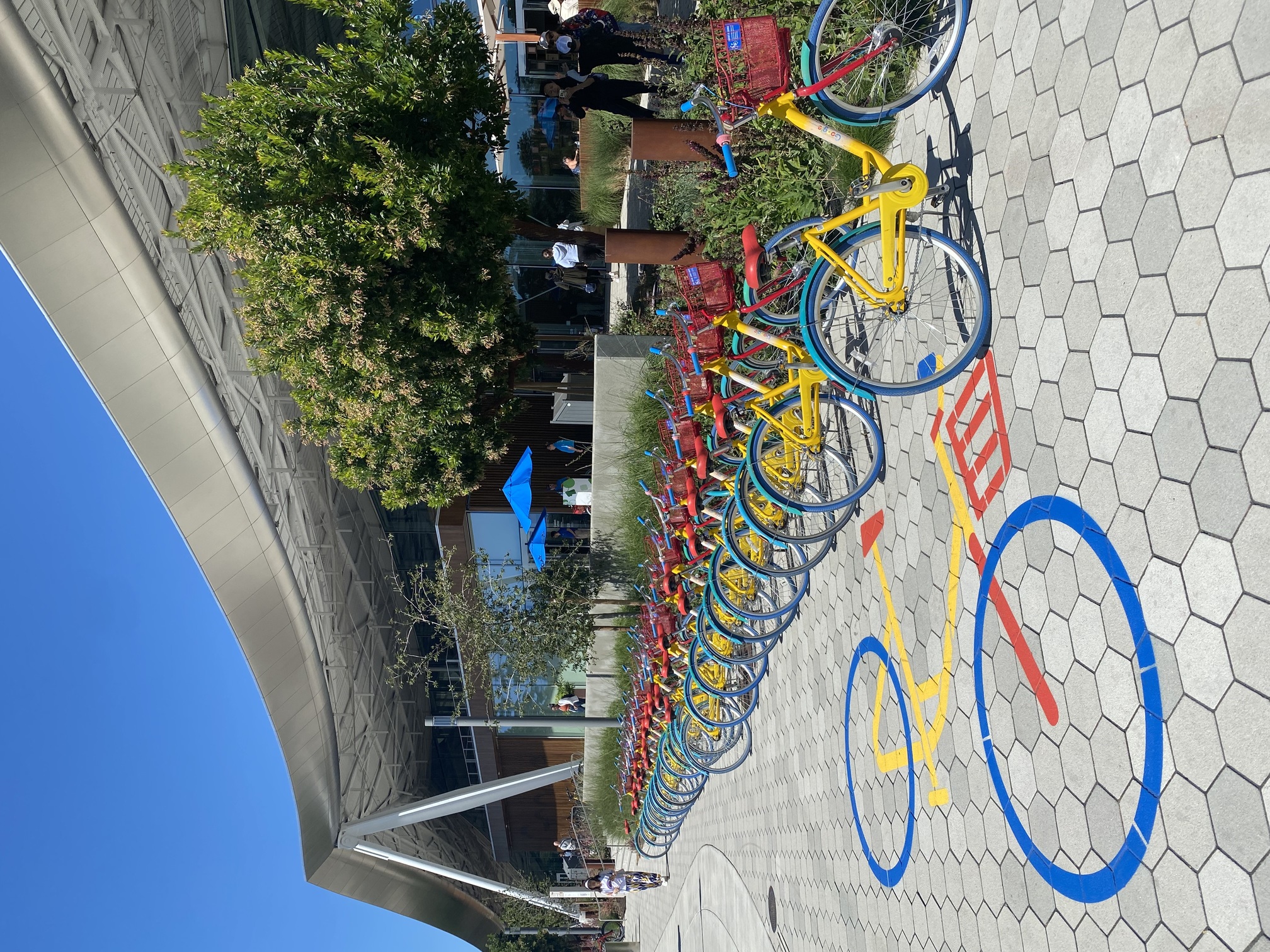
The famous Google bikes were right there, exactly as expected. I didn’t ride one because I wasn’t sure if we were allowed to.
We stopped by the Google Store — I picked up a chrome://dino dinosaur figure and a t-shirt — then met with a Google employee who works on AAOS (Android Automotive OS). The Gradient Canopy building is mostly used by the AI team so we couldn’t go inside, but we got a tour of the older campus instead.
Afterward, we sat outside at a nearby restaurant and had time to ask questions. I asked something I’d been wondering about for a while: in an actual job (not the hiring process), how much do you really use algorithm knowledge day-to-day? The answer was that it’s not strictly required, but even designers benefit from understanding these concepts when collaborating — which is enough to make me think I should probably learn more of it.
Other questions were interesting too. When asked about the biggest difference between Korea and the US work environment, the answer was freedom — here, no one cares where or when you work, as long as you get things done. Though apparently this has been shifting since Sundar Pichai became CEO. On the side I also asked what tools they use — apparently Google predates Git, so they have their own internal version control system, and they also use a Debian-based internal OS called gLinux.
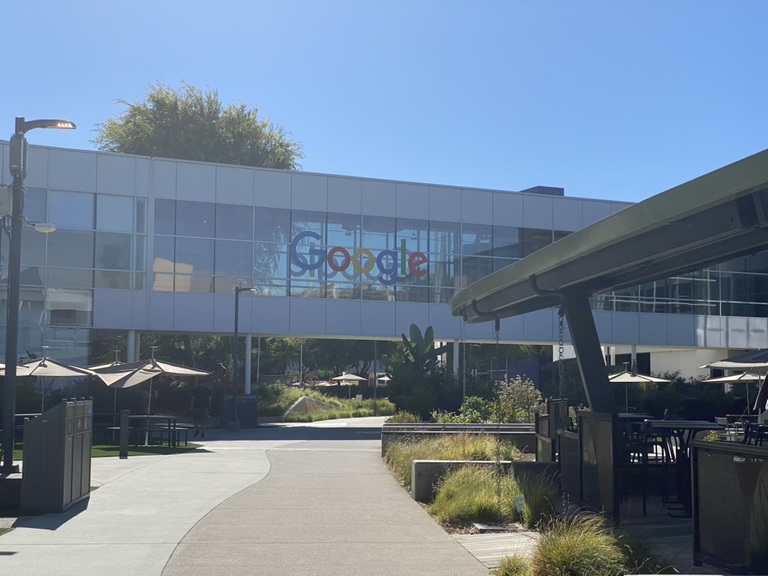
Dinner was at some Greek restaurant.
Because we’d arrived a day early, the DMA camp participants were just starting to check in when we got back to the dorm. We had dinner together and I chatted with my roommate.
Day 3 (7/18)
First day at Stanford.
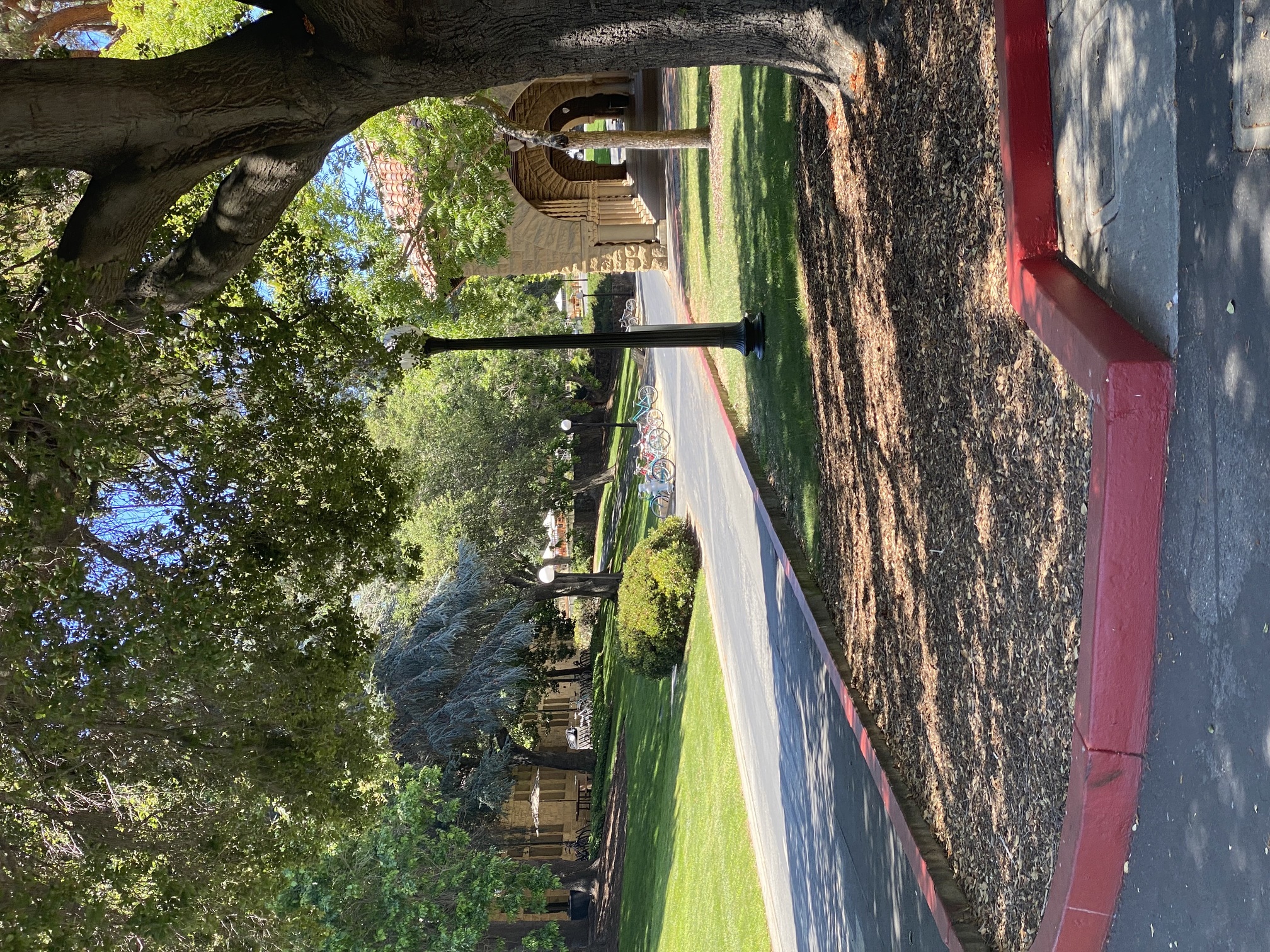
The campus atmosphere was just great. The same architectural style carried consistently across every building — very striking.
The first day was a sort of icebreaker: we formed temporary teams and walked around campus filming a video that introduced different spots. We got to see the Oval and Hoover Tower.
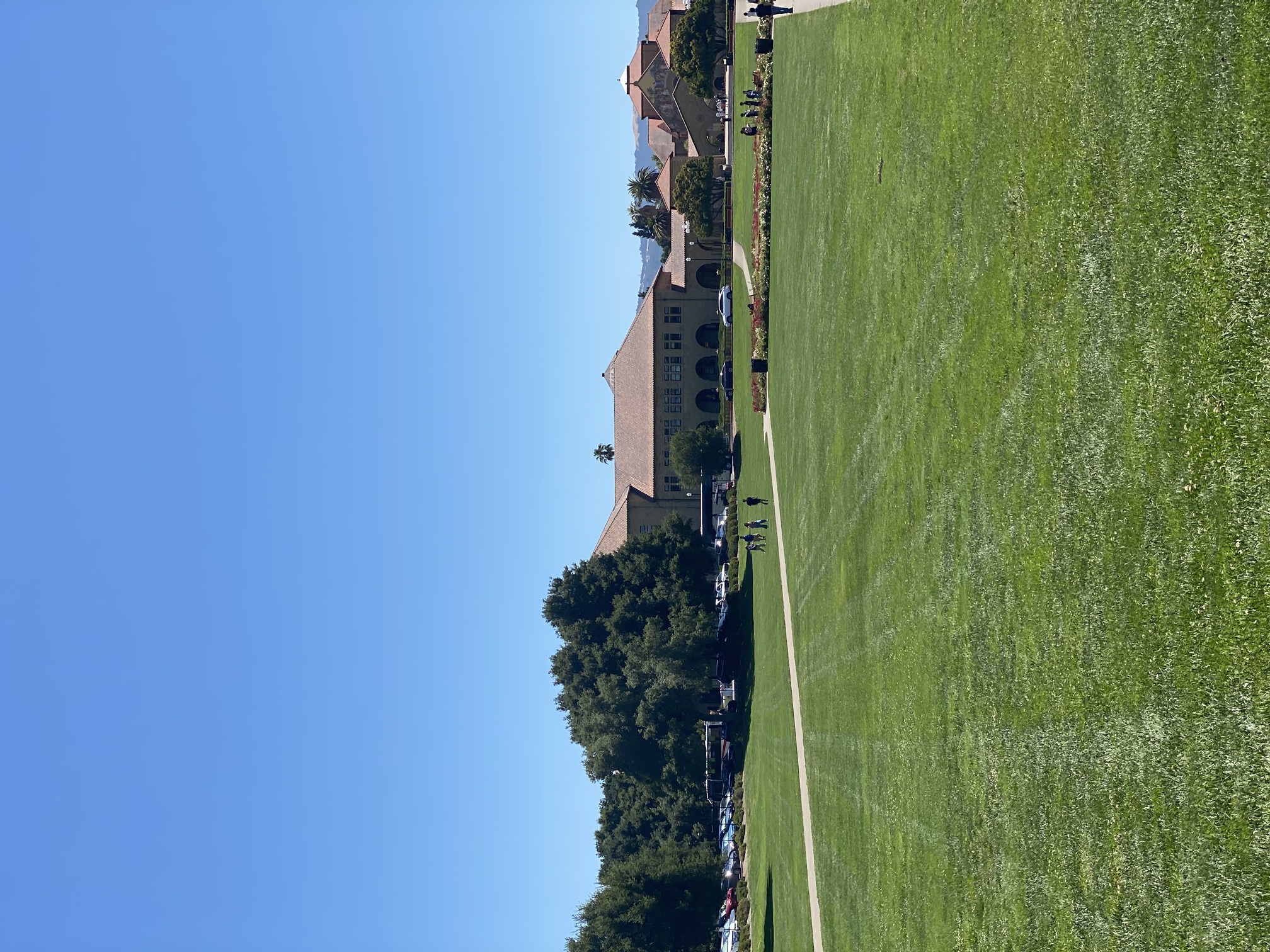
After that we formed our actual teams, got a brief overview of the program schedule, and that was it for the day.
Day 4 (7/19)
Classes officially started. We got credits for a Stanford AI platform and learned how to use LLMs, what kinds of prompting get better results, and so on. It was clearly designed for people with no prior knowledge — which made it pretty easy. (Others from our group said the same.)
(I honestly don’t remember much of this day.)
Day 5 (7/20)
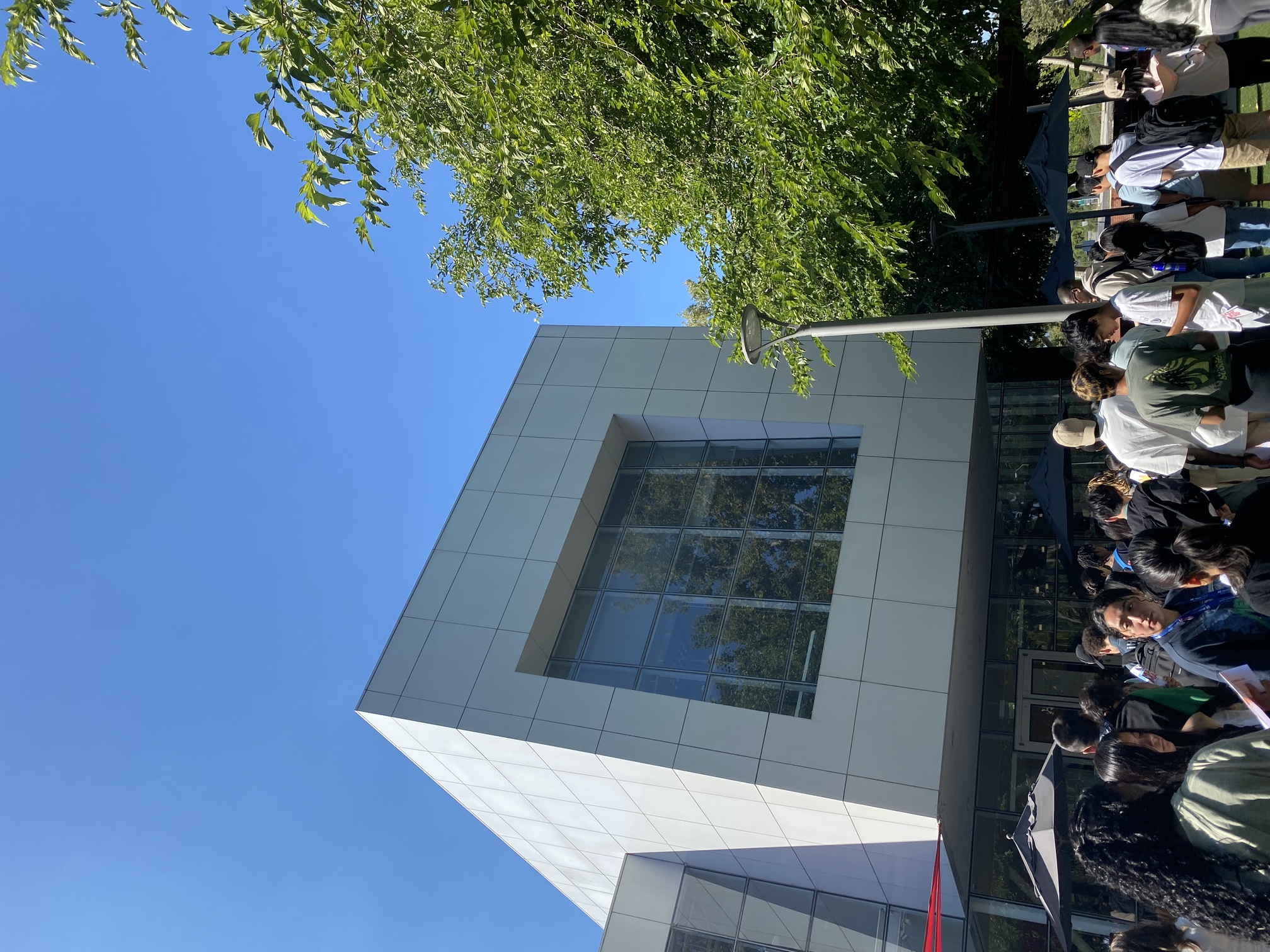
The day started at the Computer History Museum. I’d missed it during my 2019 trip, so I was glad to finally make it. The catch was that we had to film a video while going through the exhibits, which made it a bit harder to just enjoy it. That, plus two of my team members were pretty quiet and one had a tendency to push their own ideas strongly — which made simple decisions more awkward than they needed to be. (No idea how they saw me though lol.)
Still, the museum absolutely delivers on its name. The history of computing laid out from slide rules all the way to the iPhone — I could’ve used more time.
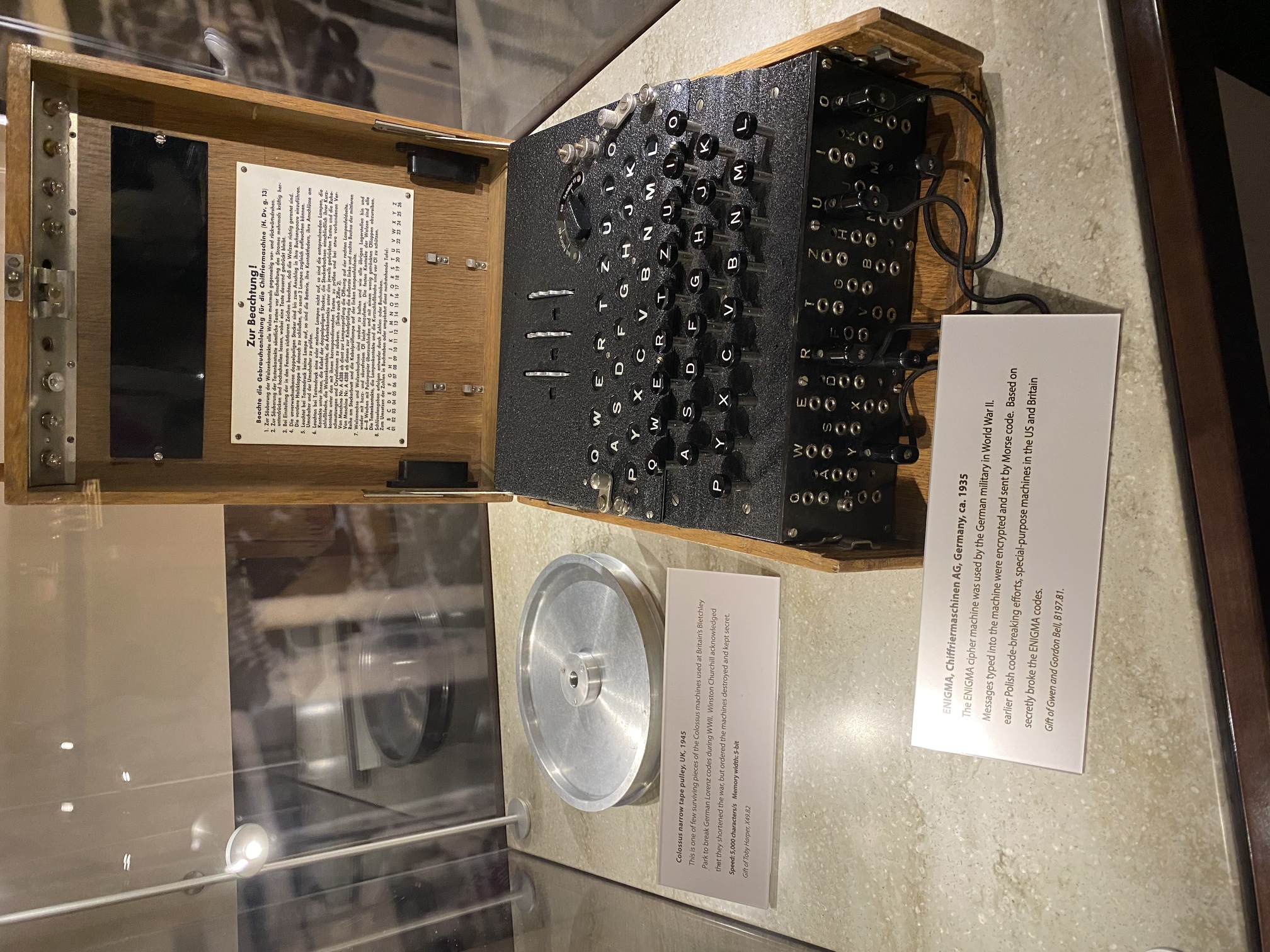
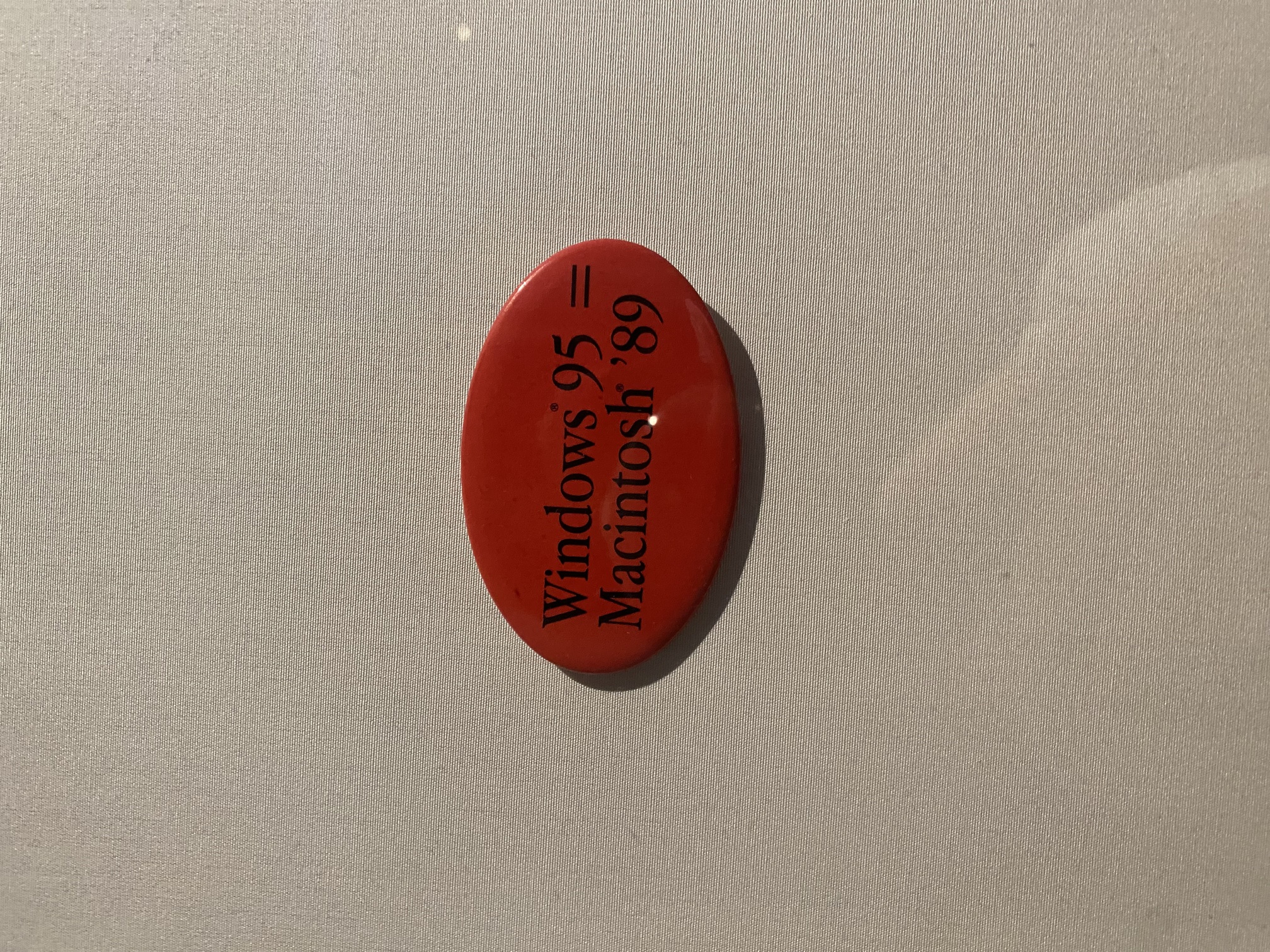
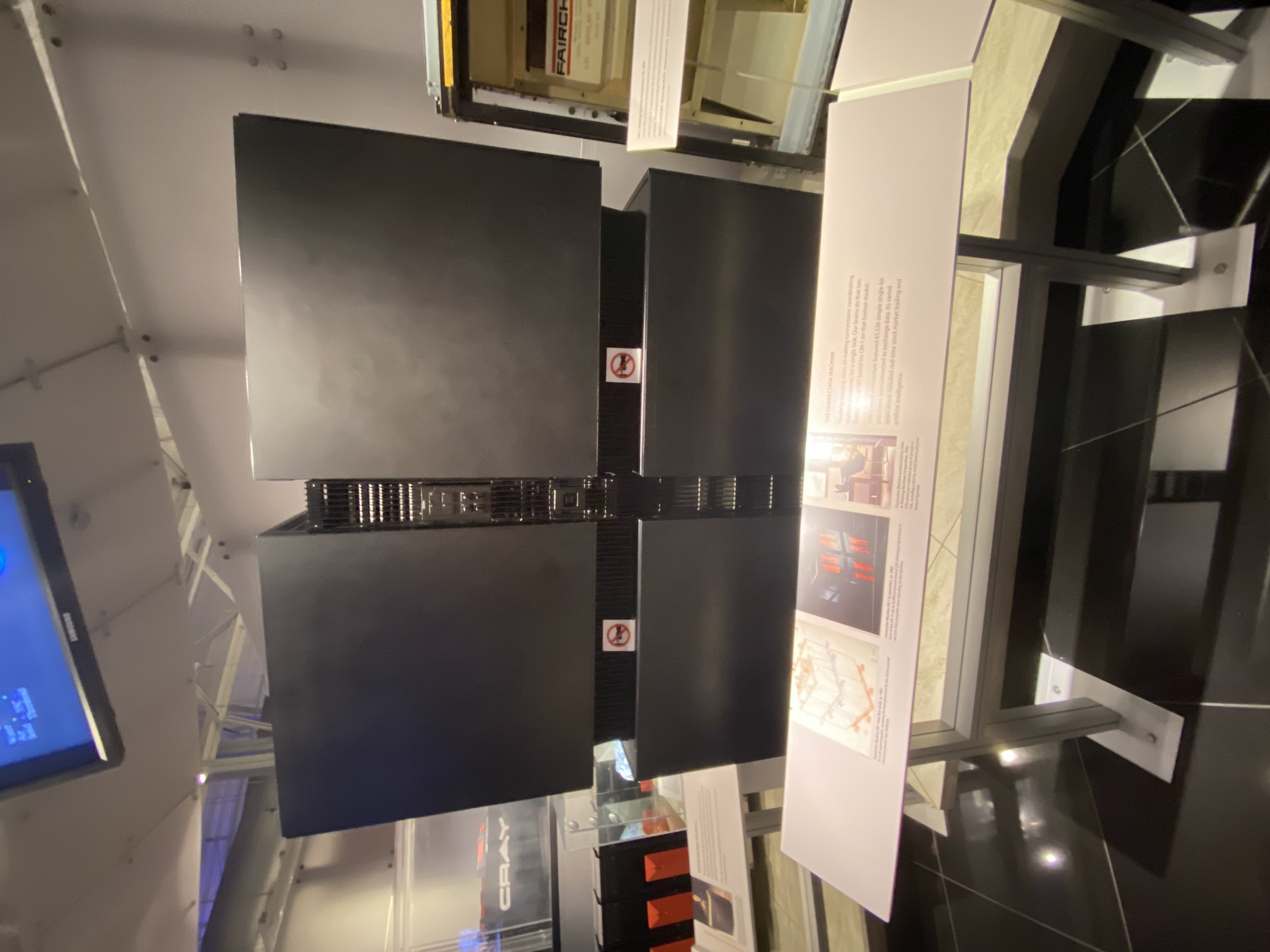
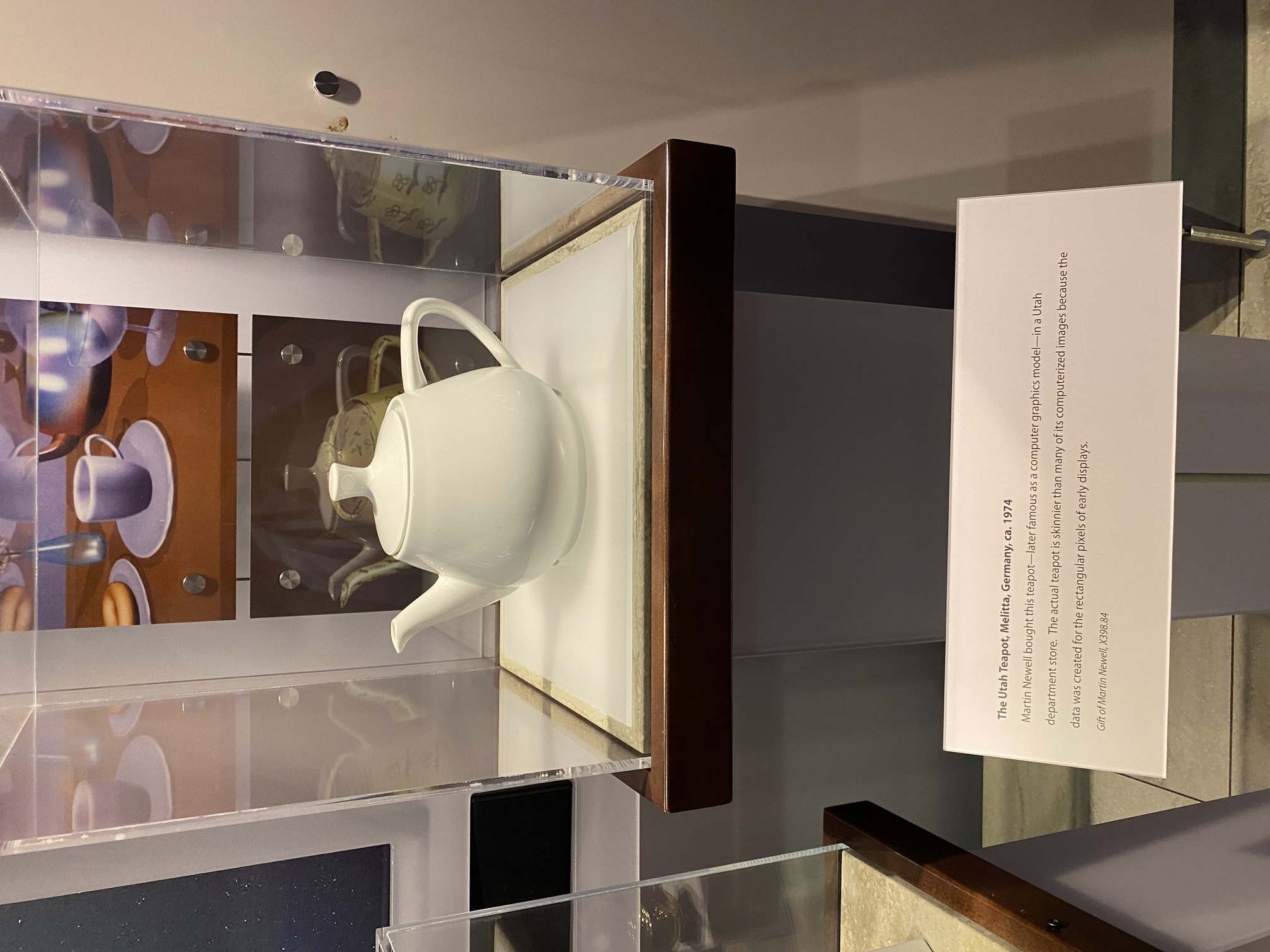
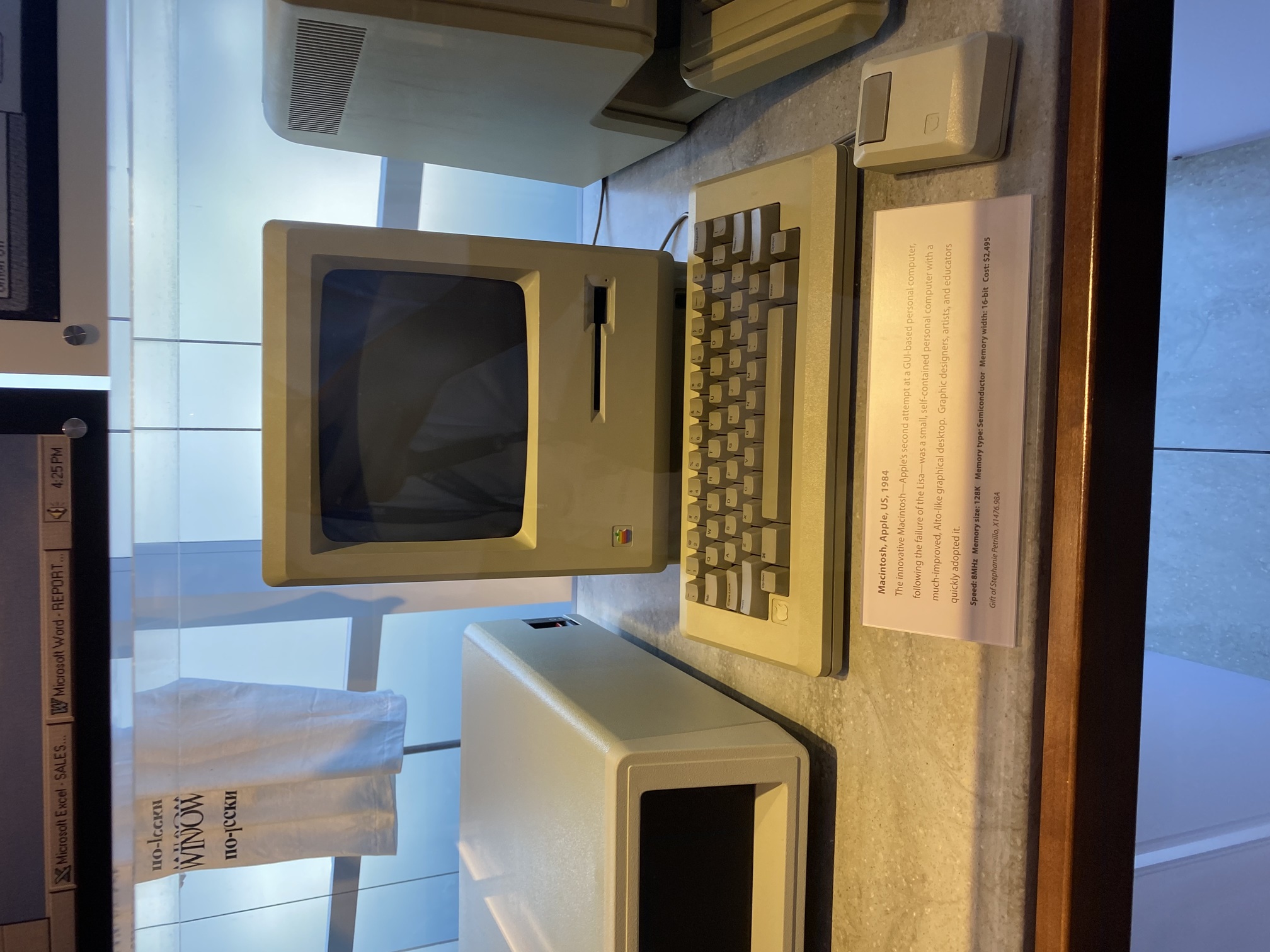
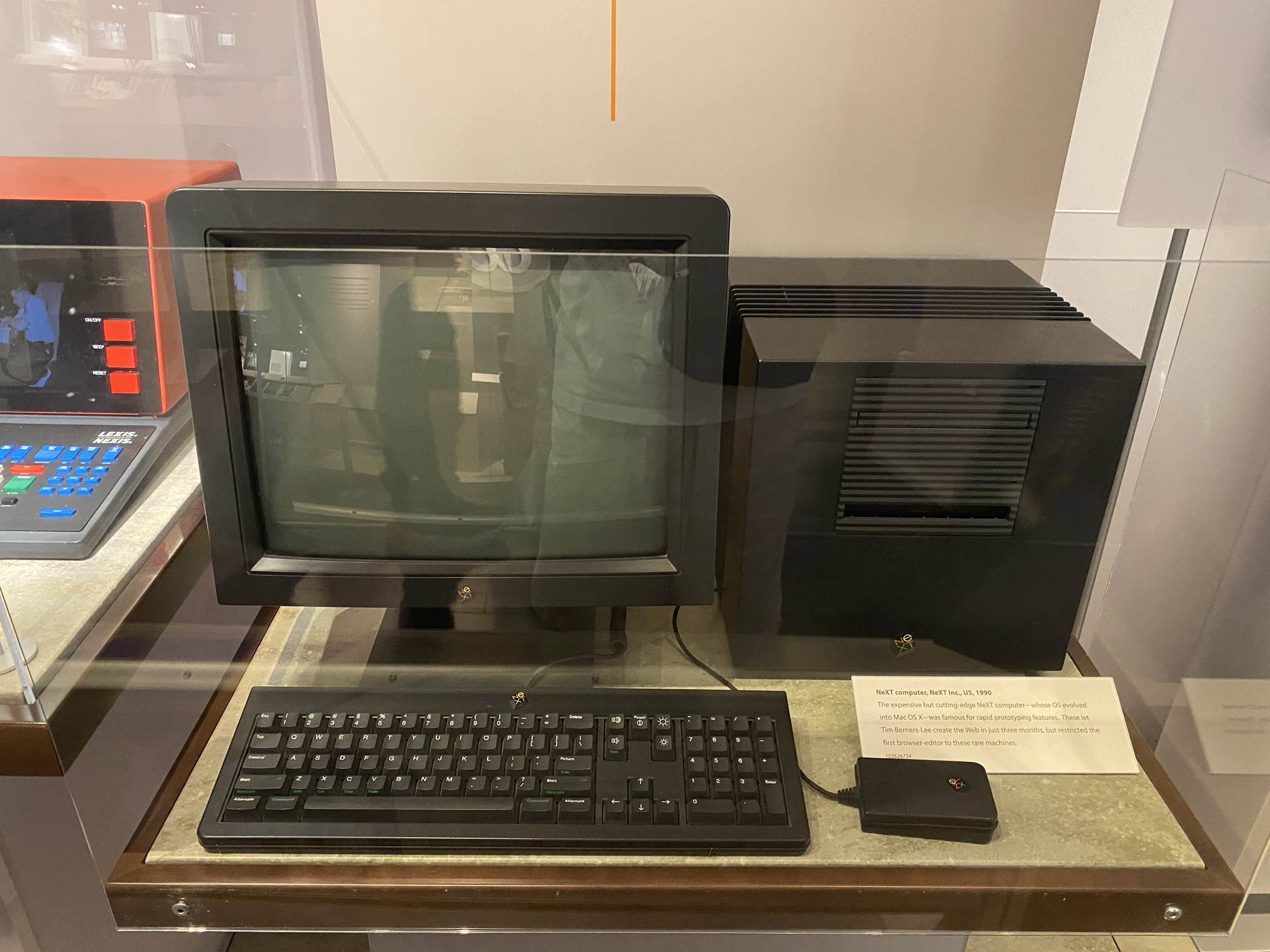
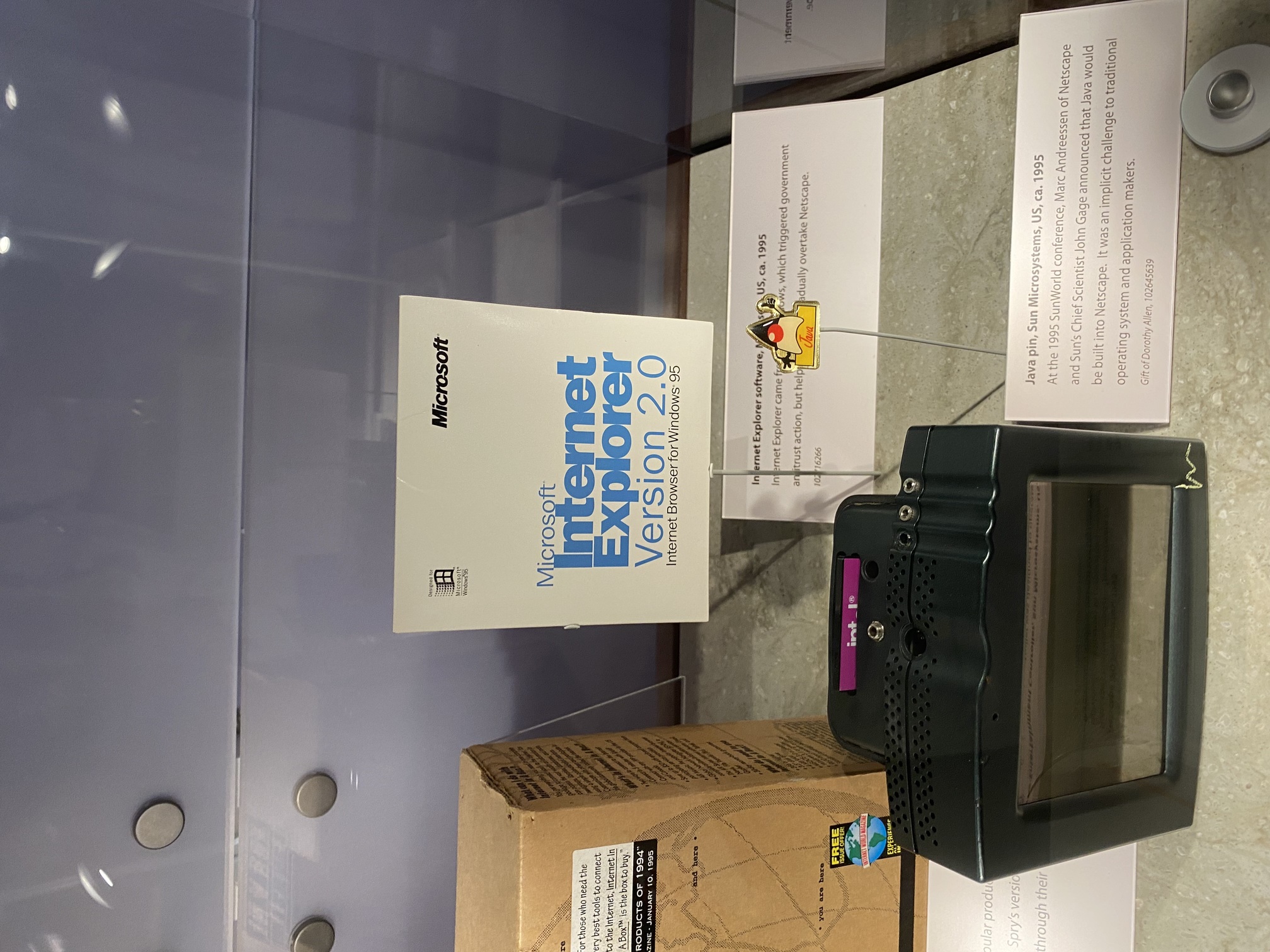
Also saw ENIAC (or something from the same era), a computer mounted into a cutting board somehow(?), Google server hardware, and a lot more.
I genuinely don’t remember what we did after… we were probably starting design thinking with the team.

Day 6 (7/21)
Another full day of classes. By this point I’d figured out what the camp was actually about. Despite having “AI” in the name, the DMA program isn’t really focused on the technology itself — AI is more of a tool to make ideas real. The actual goal is learning how to find problems in everyday life, develop ideas, and work collaboratively. That’s design thinking.
I get why — AI changes fast, skill levels vary wildly, and teaching technical depth to a mixed group in a short time is hard. But some of what we were taught felt oversimplified. For example, we were told proper market research wasn’t necessary, and despite my objections, our team ended up being led by a determined American classmate toward building an AI lawyer for minor traffic violations — a space that already has plenty of competition.
Honestly, if I were the one teaching this curriculum under these constraints, I’d probably make similar choices. But having already done more intensive project work in Korea, I found it a little unsatisfying.
We made a product poster, and that American teammate skipped lunch to get it done well — it came out looking sharp.
A few employees from Google, Meta, Apple, and other companies came by to talk briefly about their work, followed by a poster presentation session.
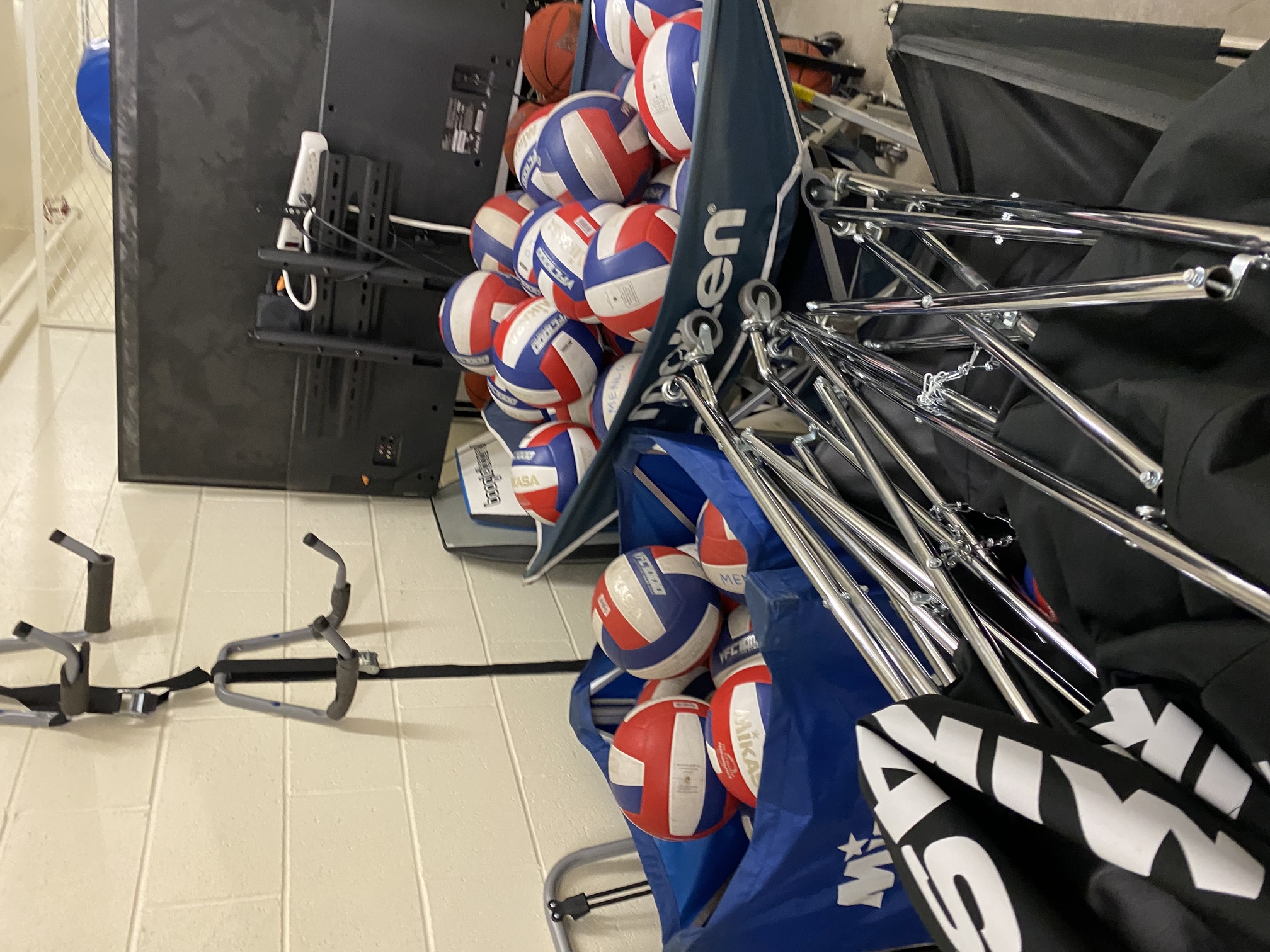
That night, volleyball started. We’d tried playing with some of the international students earlier and had fun, so we kept at it. Someone found the campus gym was open at night, so we ended up playing until well past midnight. The videographers who came with our group joined in, which made it even more fun.
Day 7 (7/22)
A full day outside.
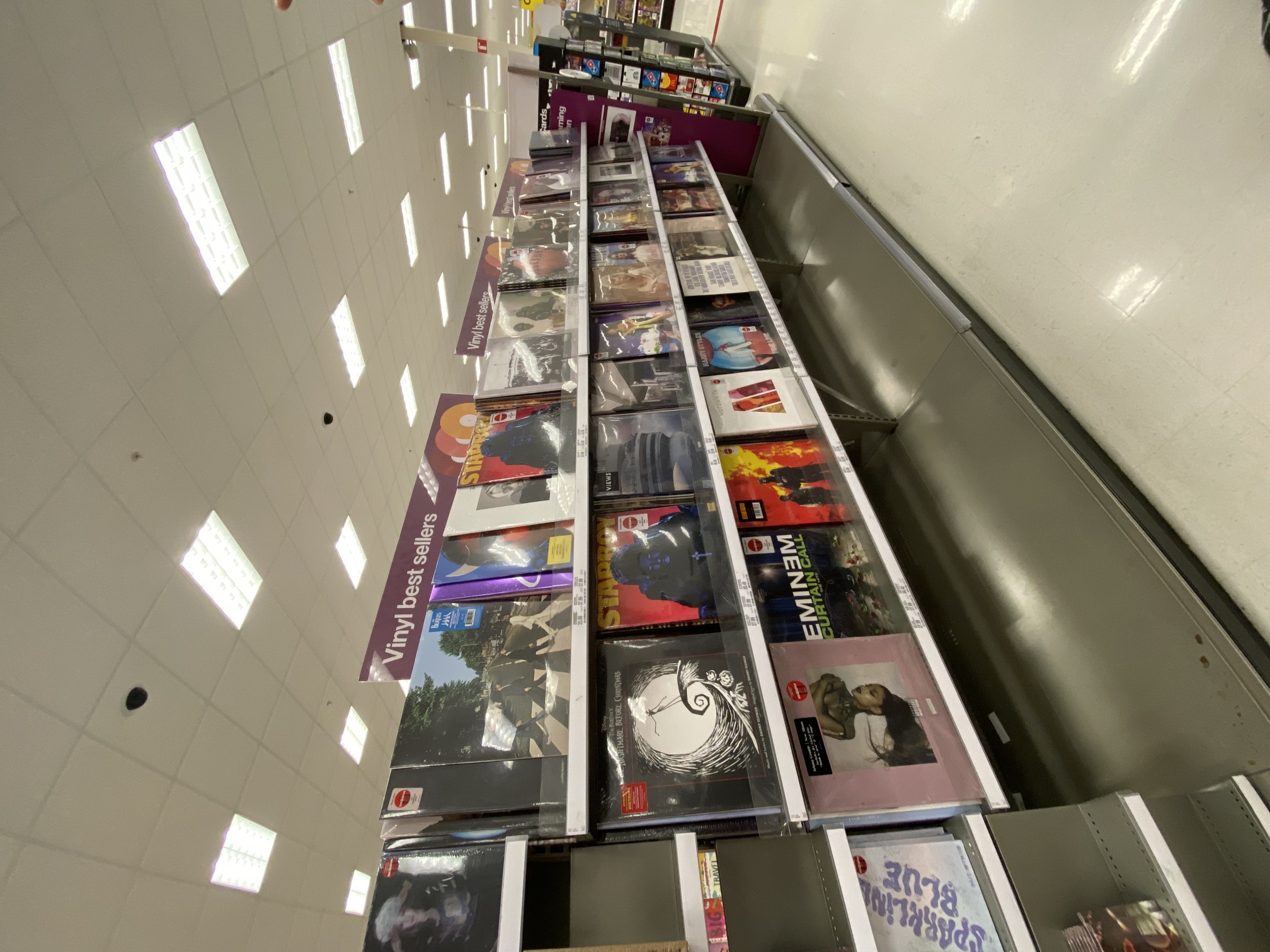
First stop was the Tesla factory tour, but our group was split and we had to wait a bit, so we killed time at a nearby Target. Nothing particularly exciting, but I was surprised to see vinyl records for sale.
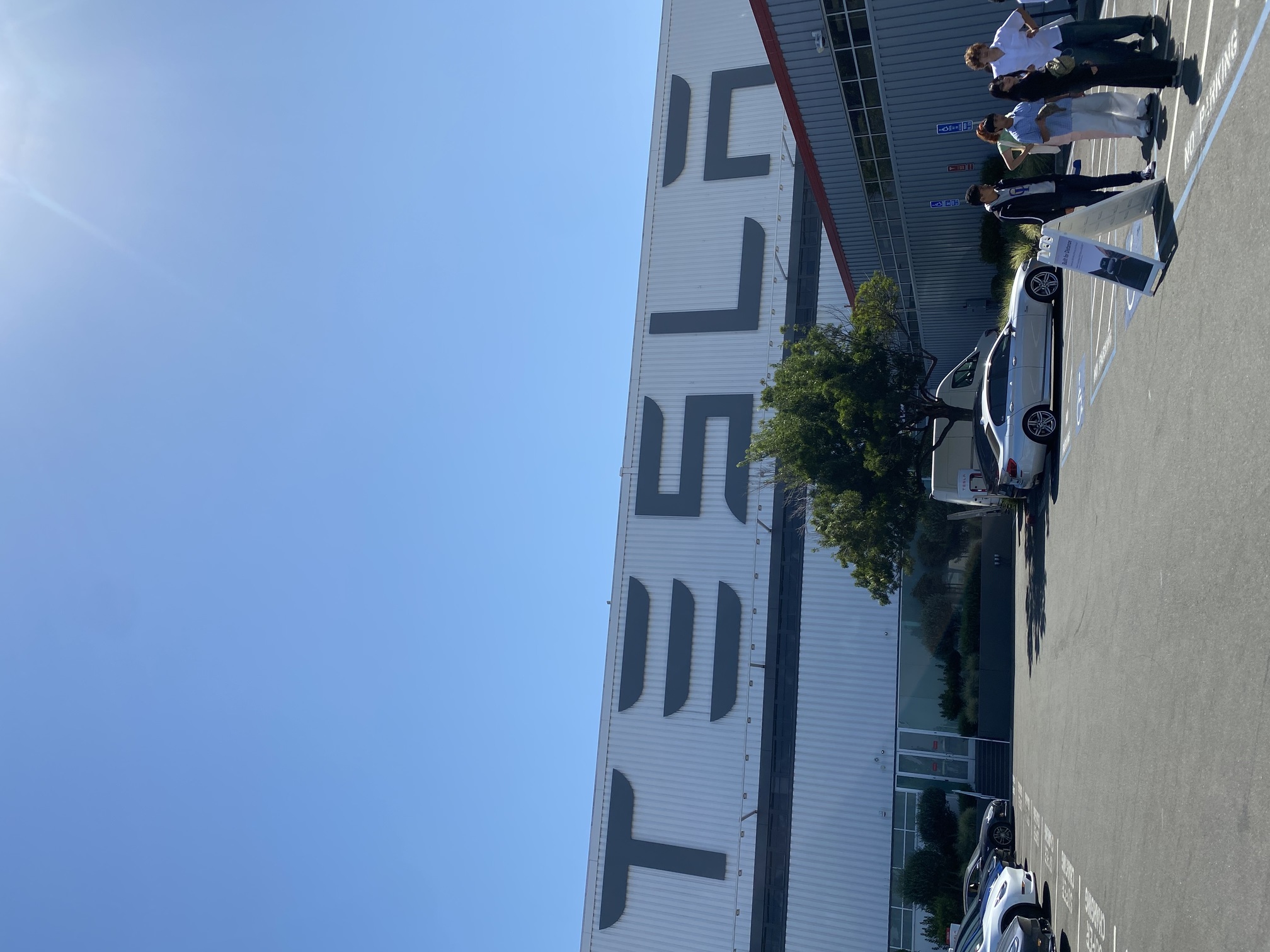
We rode a tram through the factory and it was genuinely impressive — enough that I was annoyed we couldn’t take photos. The entire manufacturing process happens in one facility: stamping, assembly lines, warehousing, everything. A huge portion is automated; aside from interior assembly, robotic arms handle basically every step. Elon-style, there are offices inside the factory, though they didn’t look particularly nice — even if you could see them.
After the tour, we got to see a Cybertruck up close.
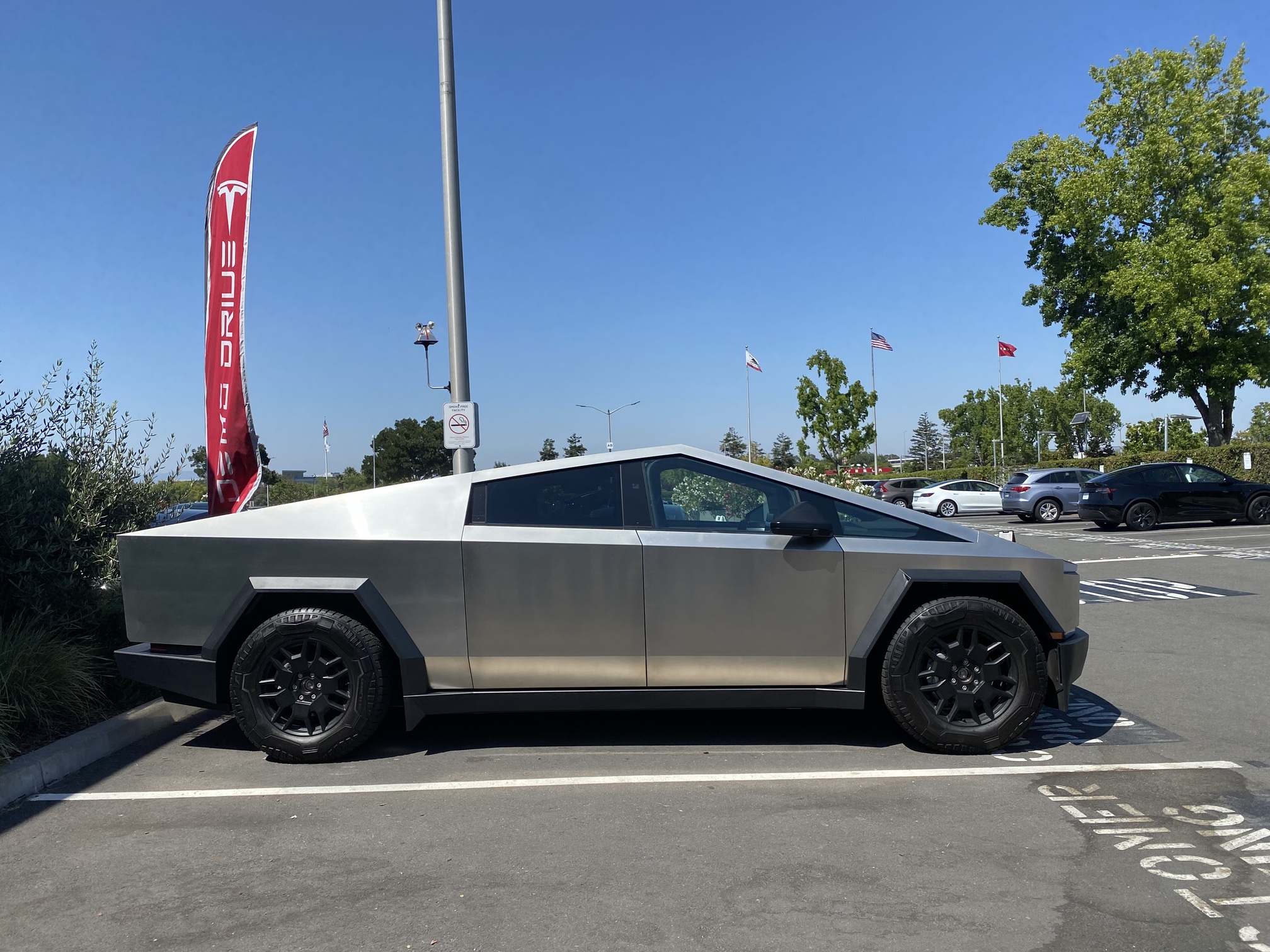
First impression: big and kind of striking. But when I actually walked up to open the door, I hesitated — touching a metal panel that had been sitting in the California sun felt like a bad idea. (The handle, thankfully, wasn’t metal.) Inside, the windshield is massive, but honestly not much else stood out to me.
Next was Pier 39.
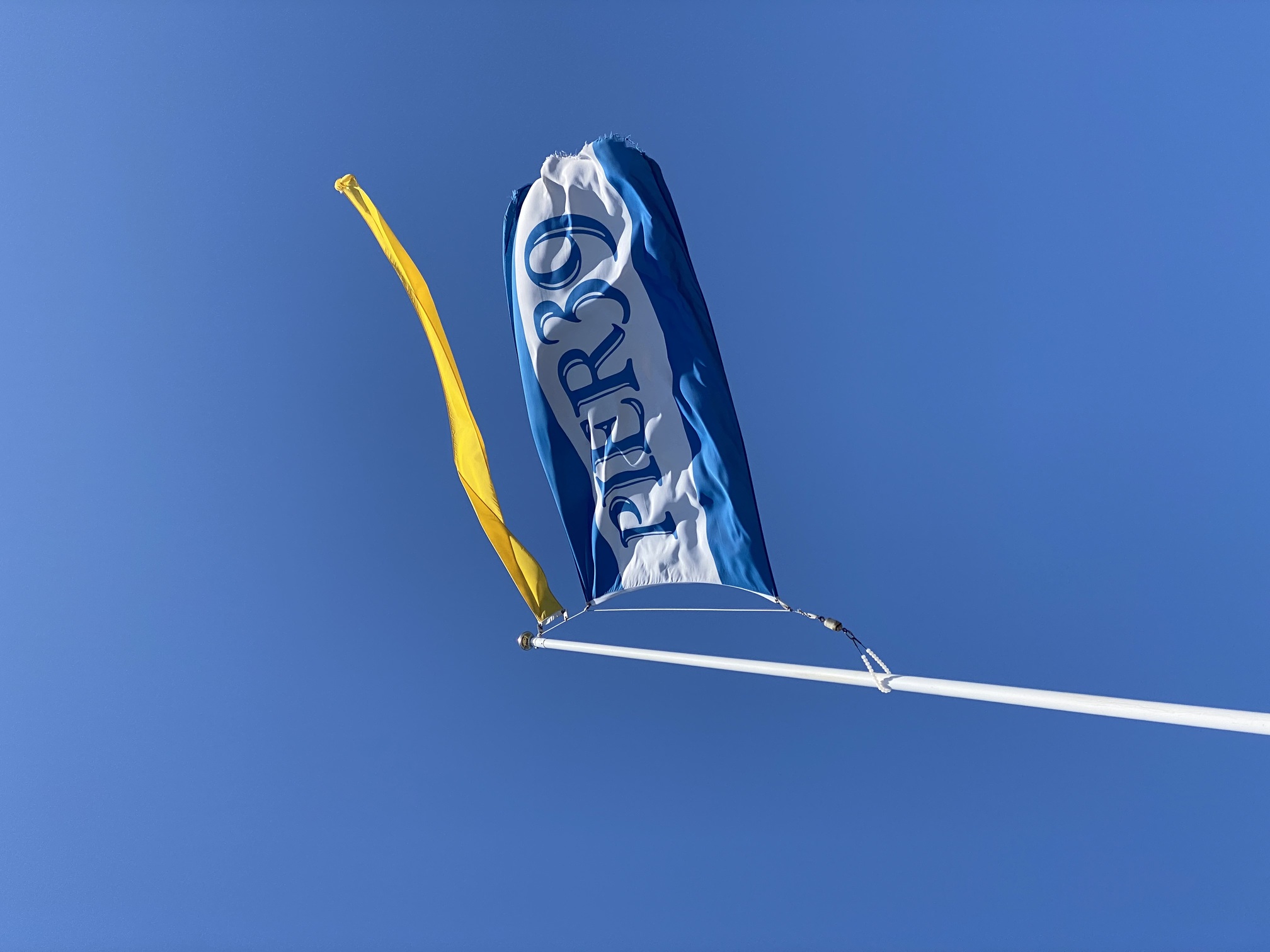
We saw the sea lions.
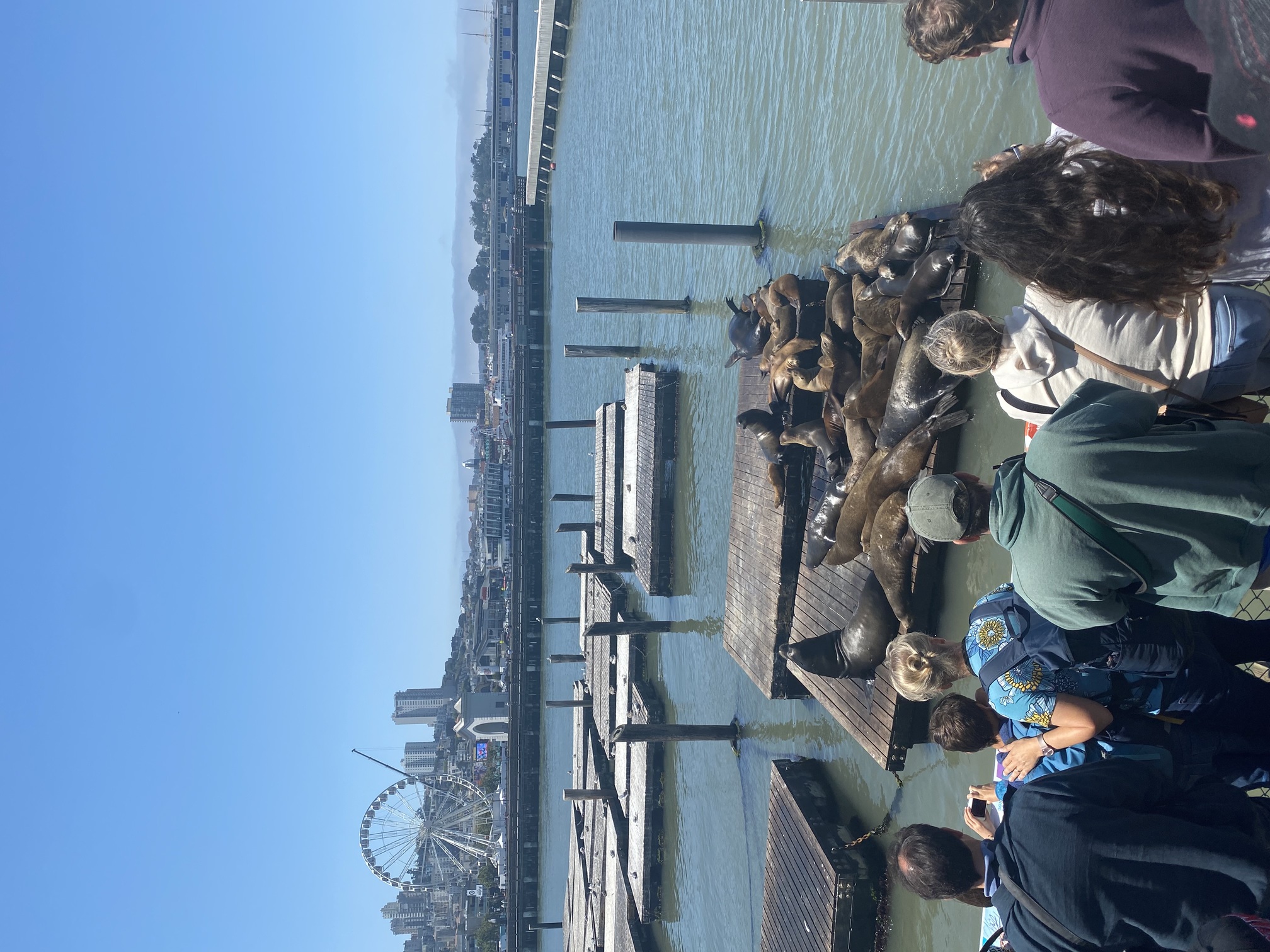
Had clam chowder and seafood. Then went to see the Golden Gate Bridge.
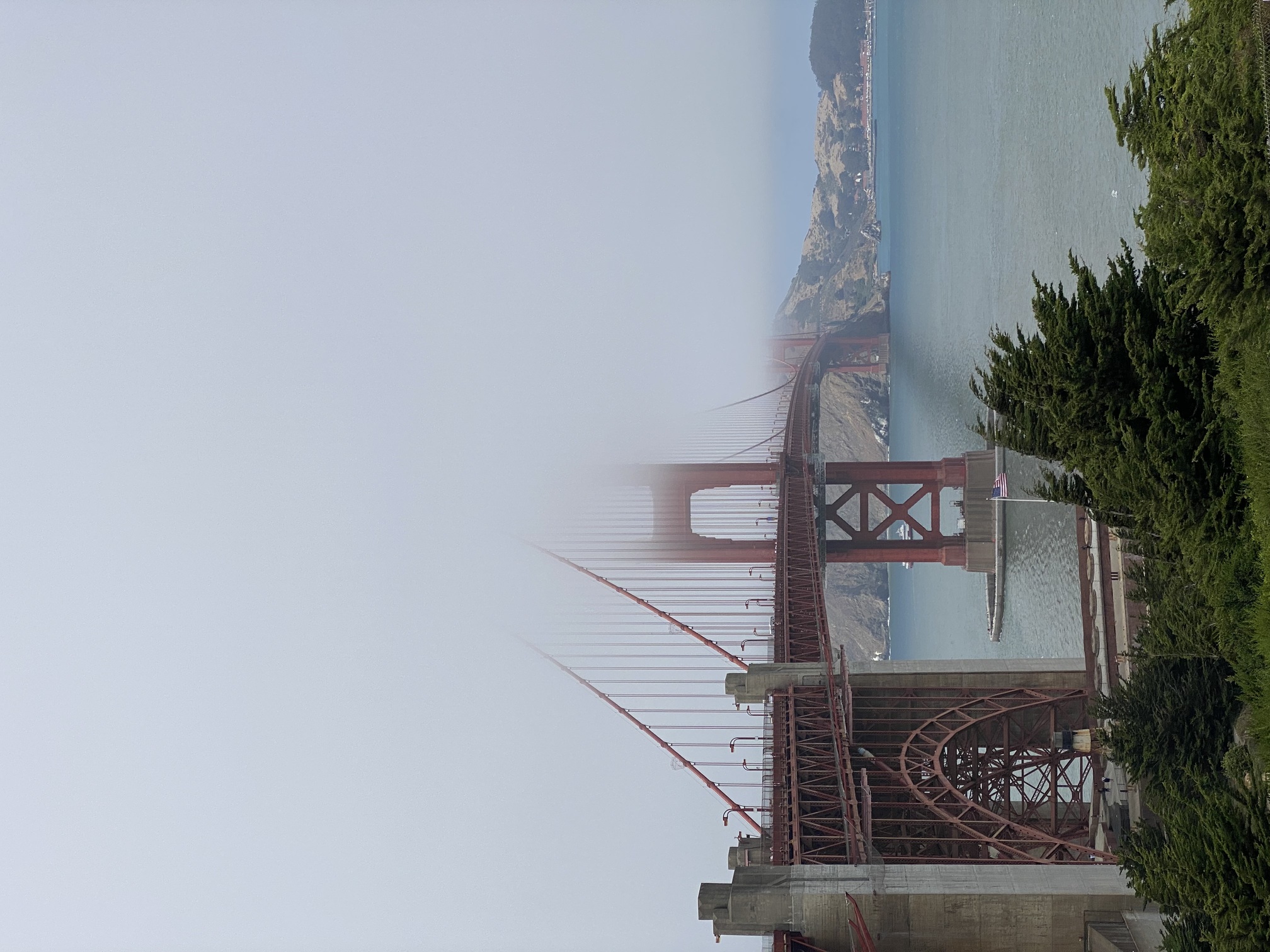
Fog is the default in that area, and it didn’t disappoint. Still — a suspension bridge of this scale built in the 1930s is hard to wrap your head around. I’d watched a YouTube video about its engineering at some point, so I looked around more carefully than I might have otherwise. We only made it to about halfway before heading to the gift shop and going back.
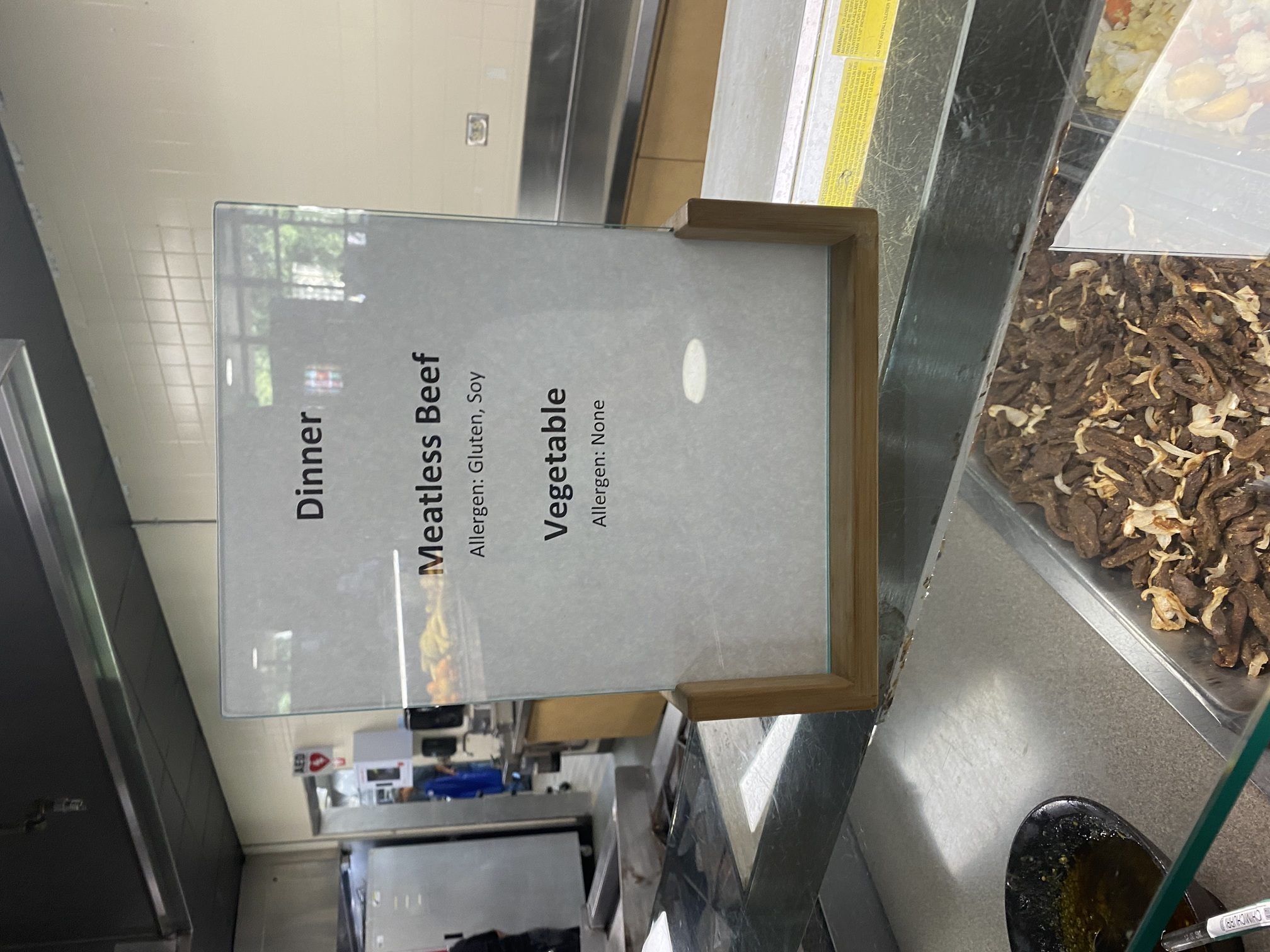
After that underwhelming dinner, the weather outside was actually beautiful.
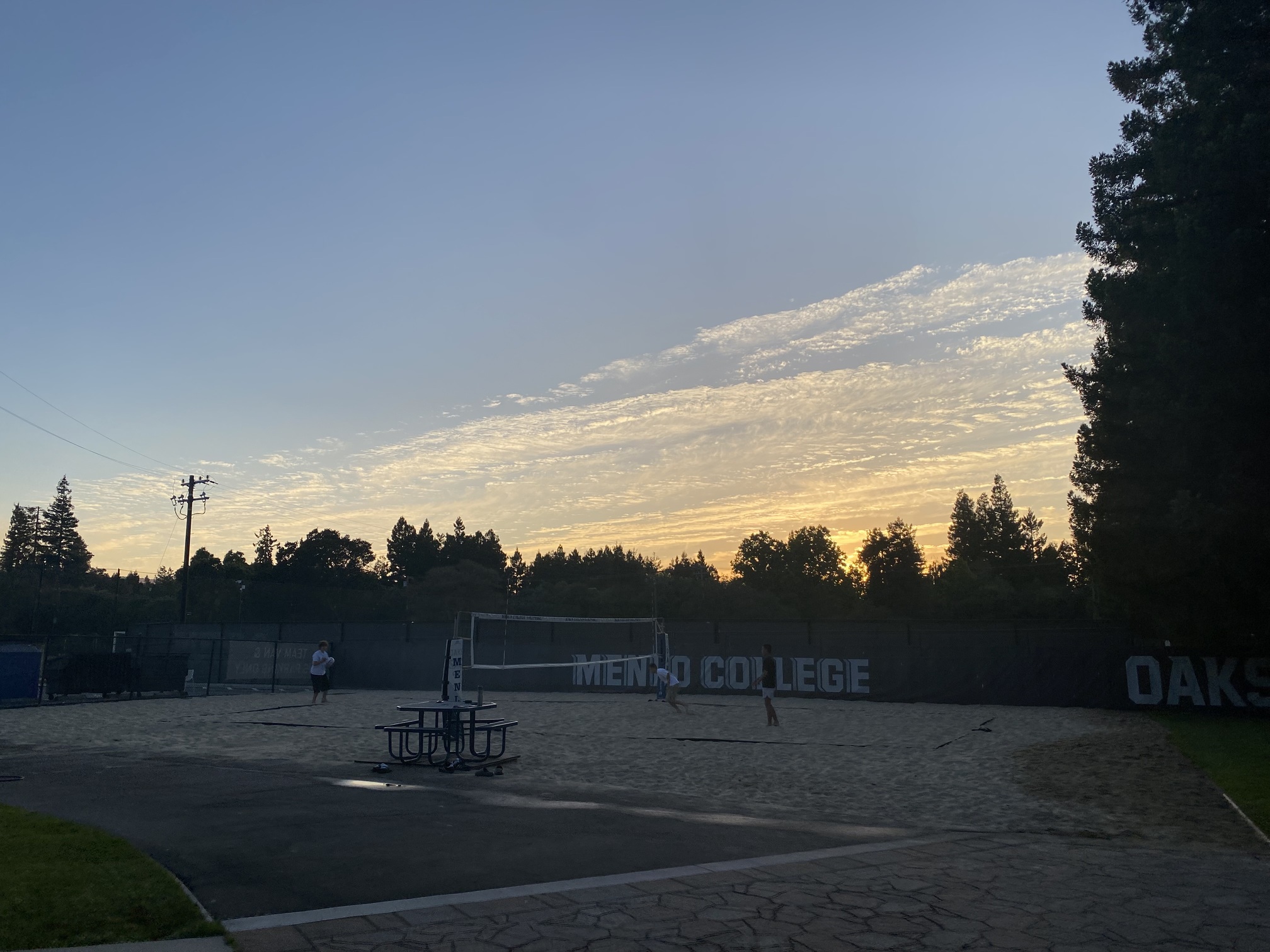
More volleyball in the evening — I could feel improvement from the days before. The international students tend to sleep earlier, so when they headed in we just moved to the gym and stayed up way too late.
Day 8 (7/23)
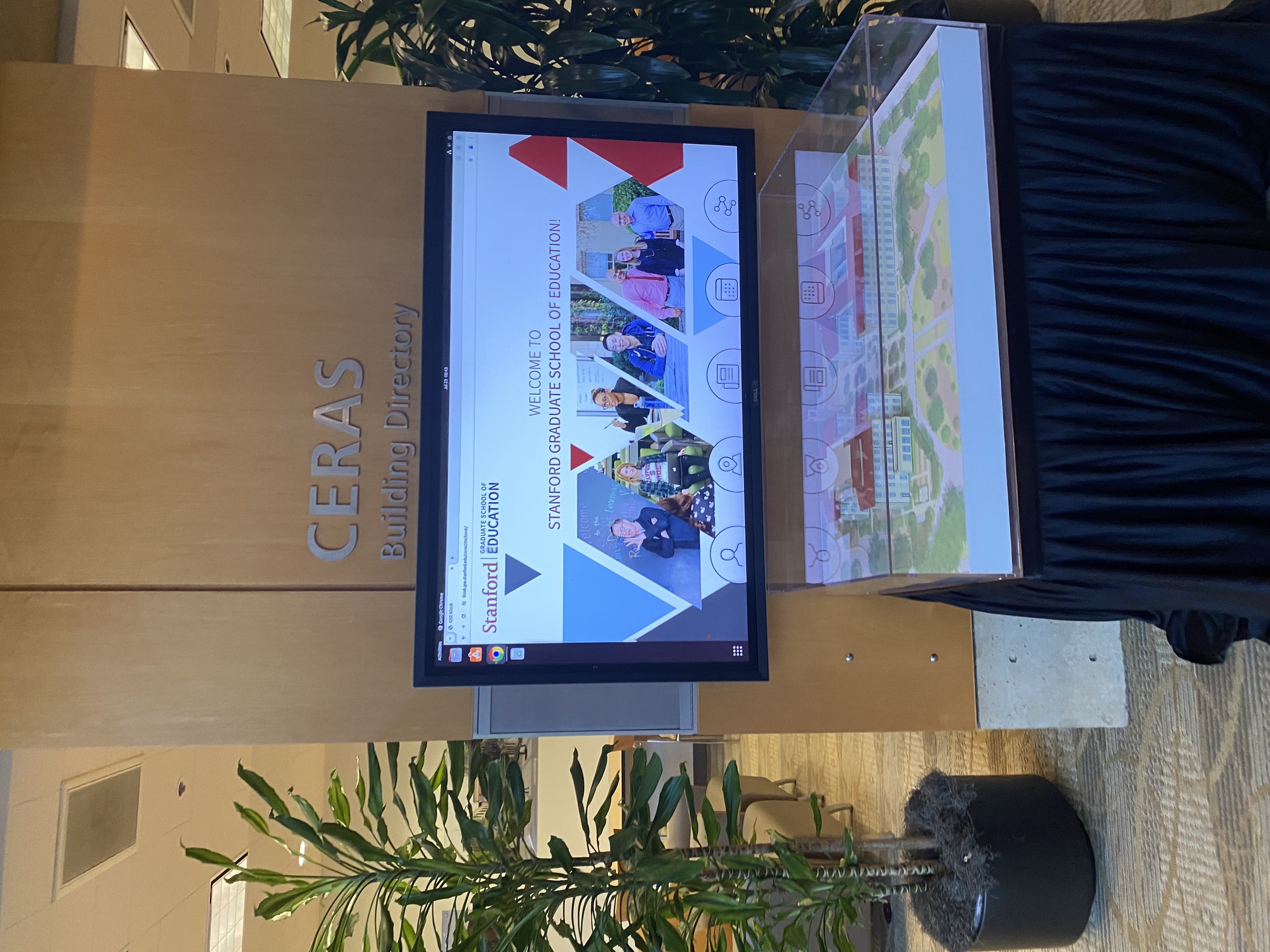
Classes again. Our classroom had moved to a building farther from the entrance, so we walked over.
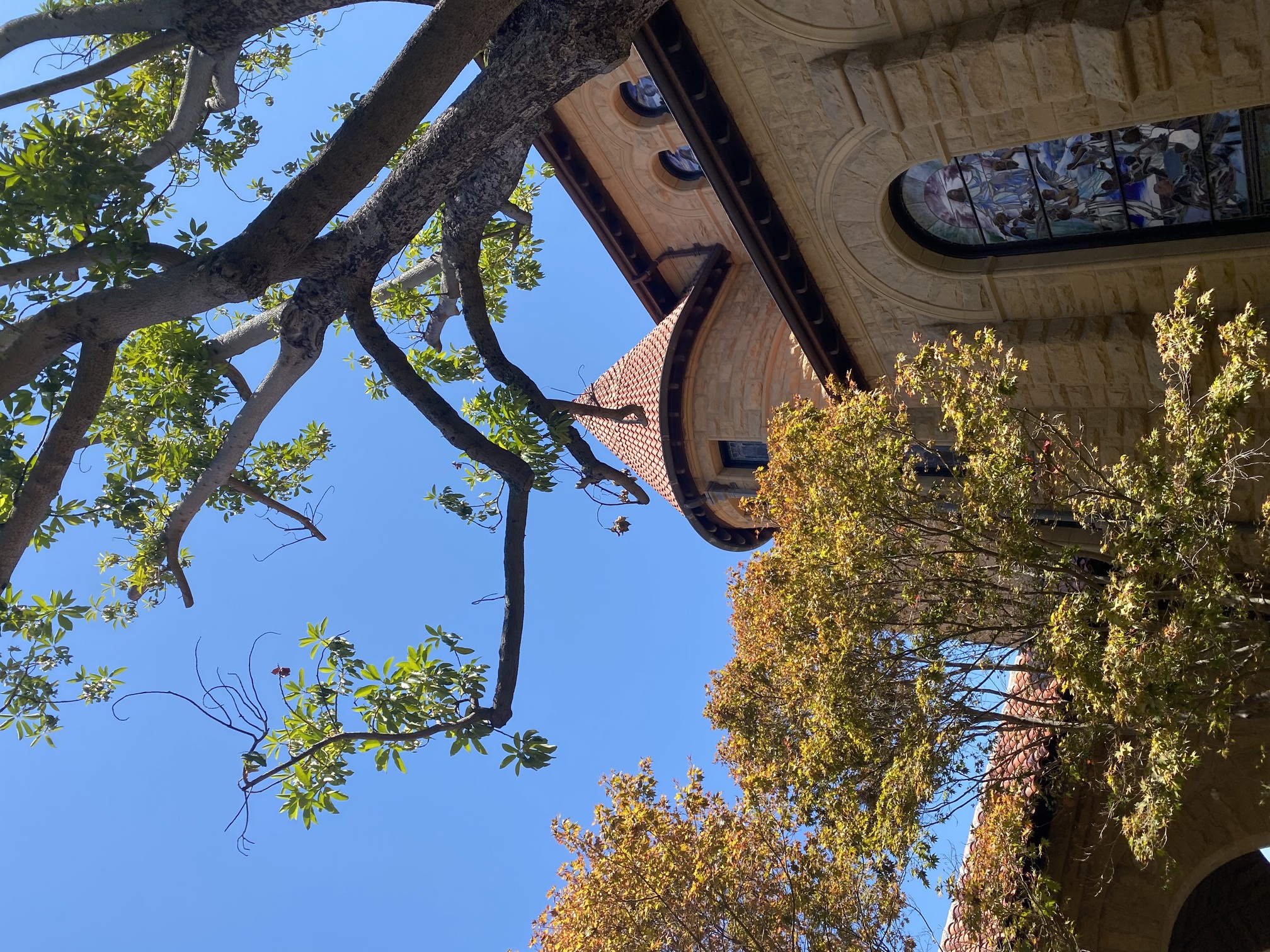
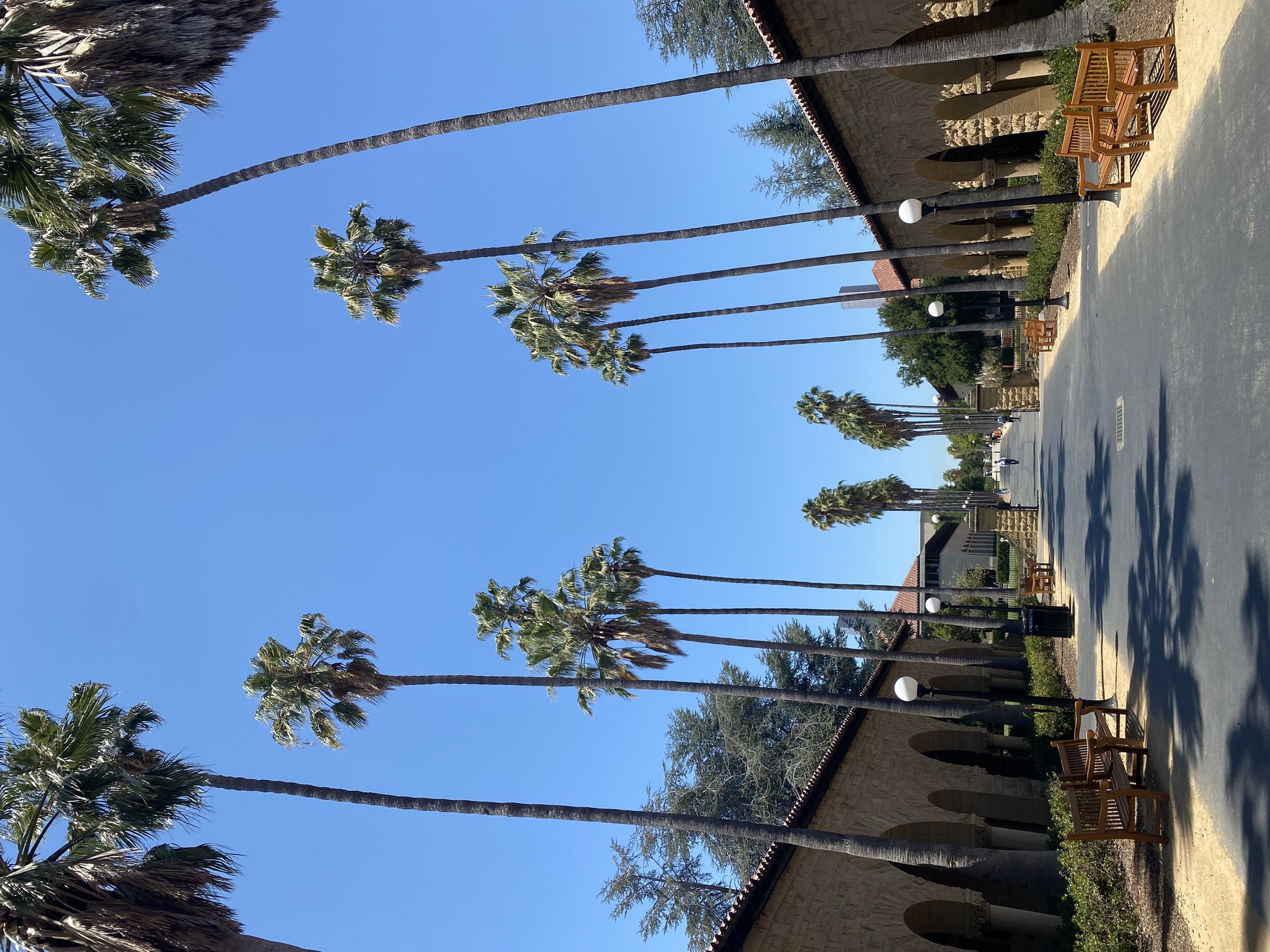
Mediterranean climate really is something.
As I mentioned, this camp values ideas over technical execution — which means a video demonstrating how your product would be used matters more than a working prototype. I intellectually agreed with the reasoning, but it still felt a bit off. (Writing this in July 2025, though, watching various Silicon Valley startups put so much effort into their product videos, I’ve come around more — effectively communicating your idea to a wide range of people is genuinely important.)
We filmed our scenario: someone gets pulled over for speeding and uses our product to help with their defense. Actually acting it out was more useful than just thinking through it — we caught awkward moments and rough edges that only showed up in practice. We filmed driving scenes (rolling down a slope in a wheeled chair), answering a call, making a case — it was fun.
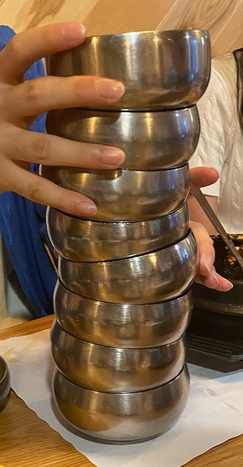
After class, we finally had Korean food — the videographers had found a restaurant and it was very good.
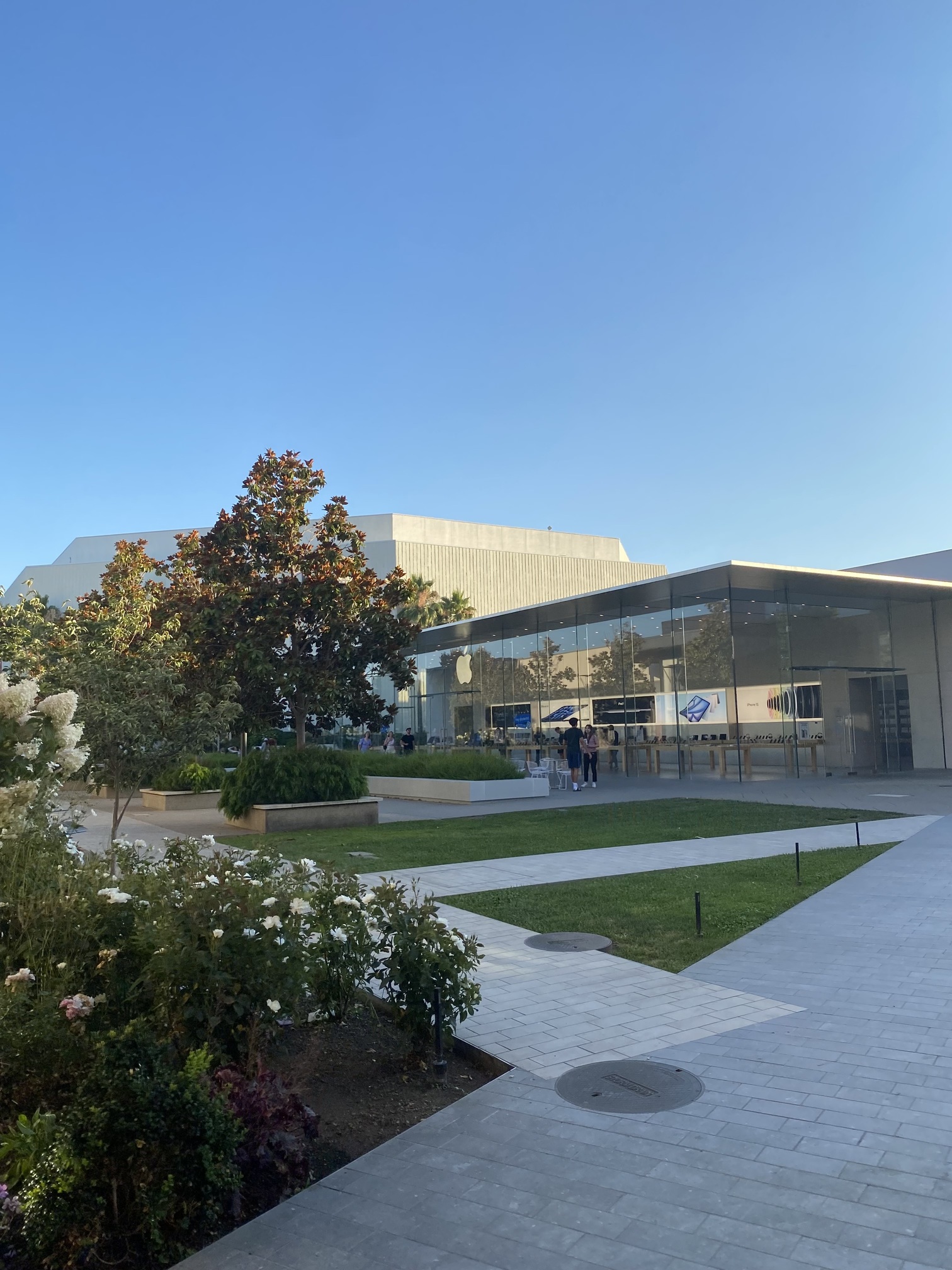
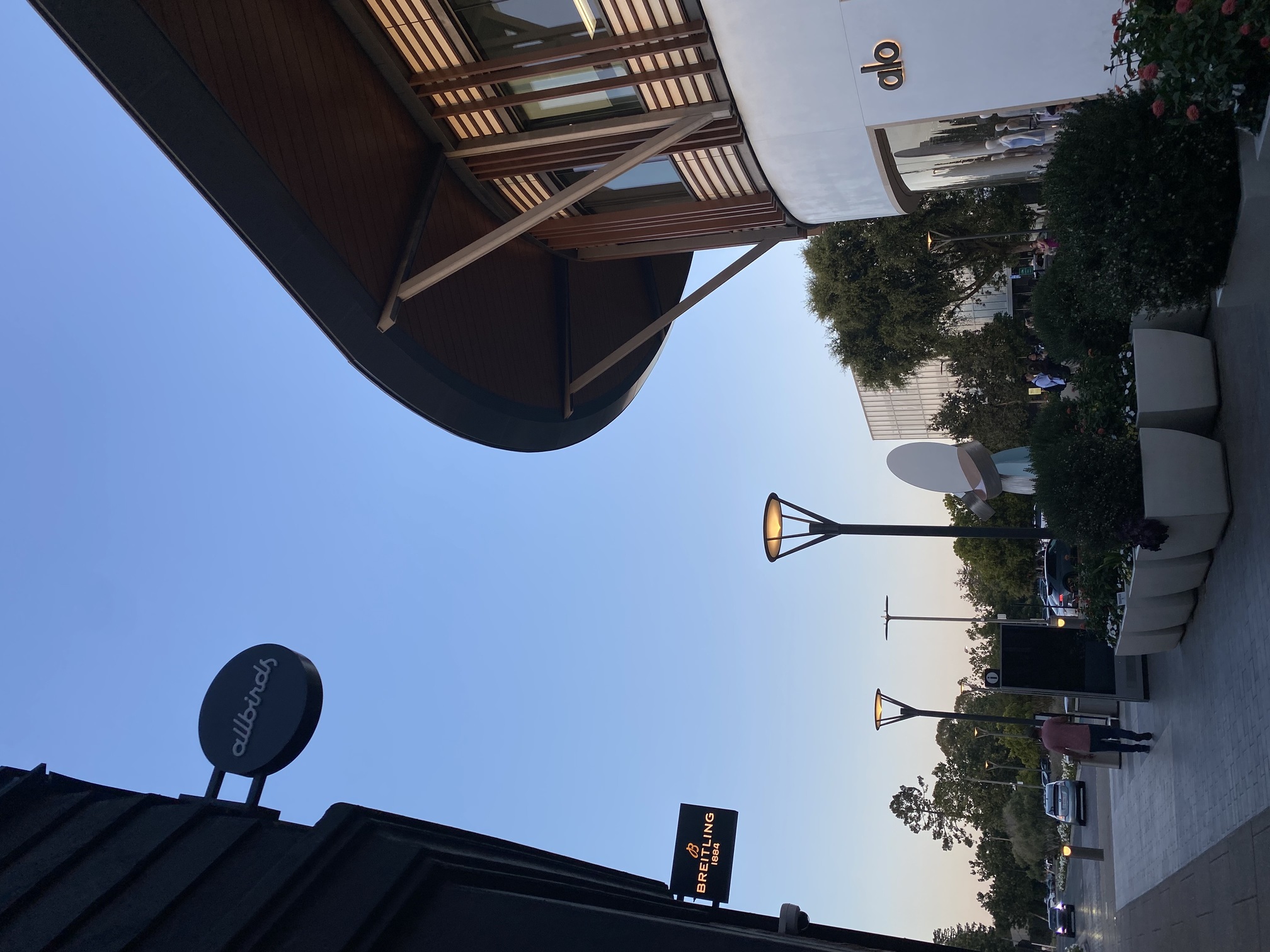
On the way back we stopped at the Stanford Shopping Center.
Volleyball continued.
Day 9 (7/24)
Morning was a tour of a few tech company campuses.
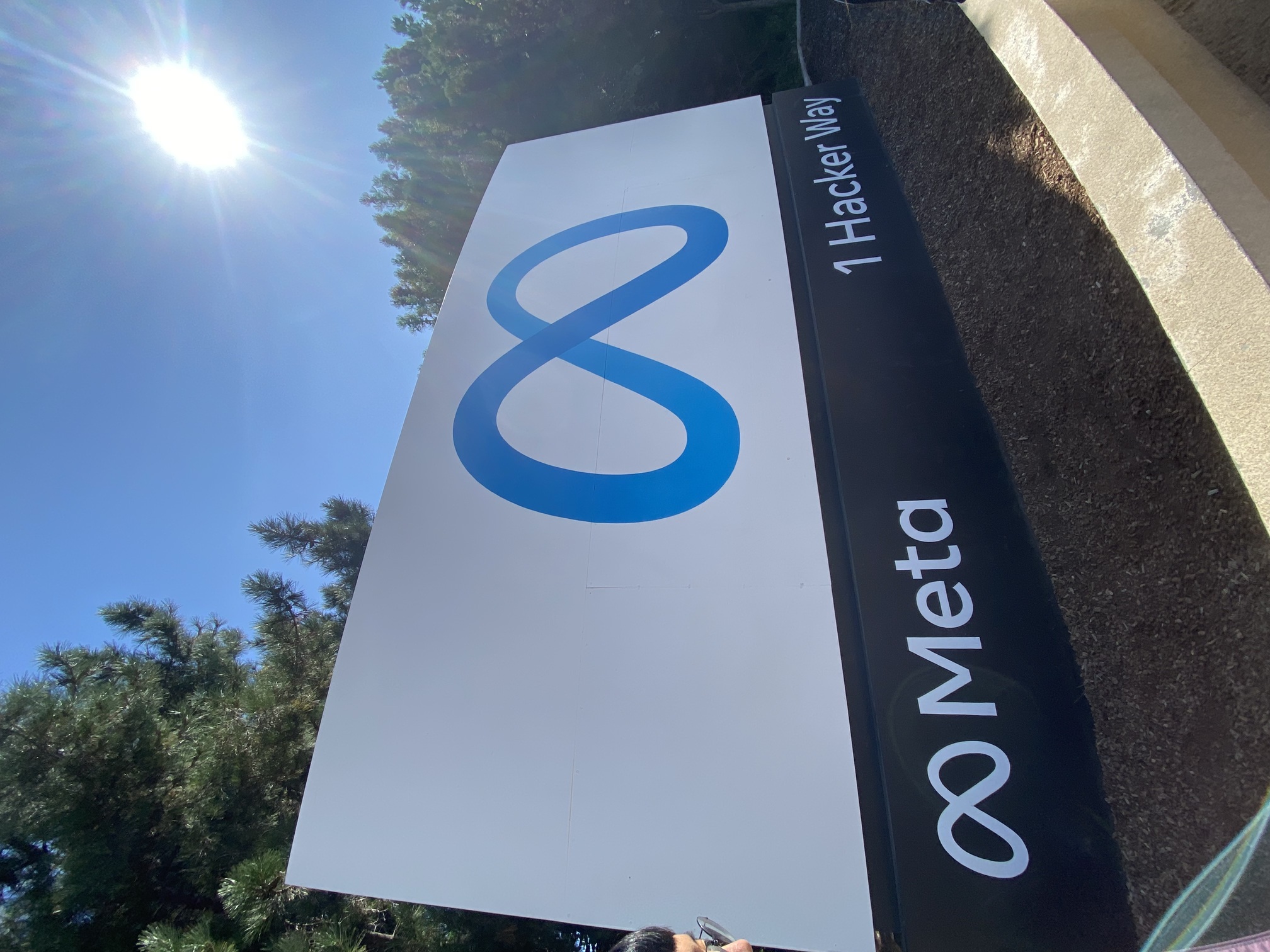
First: Meta. There wasn’t much to actually see beyond the sign.
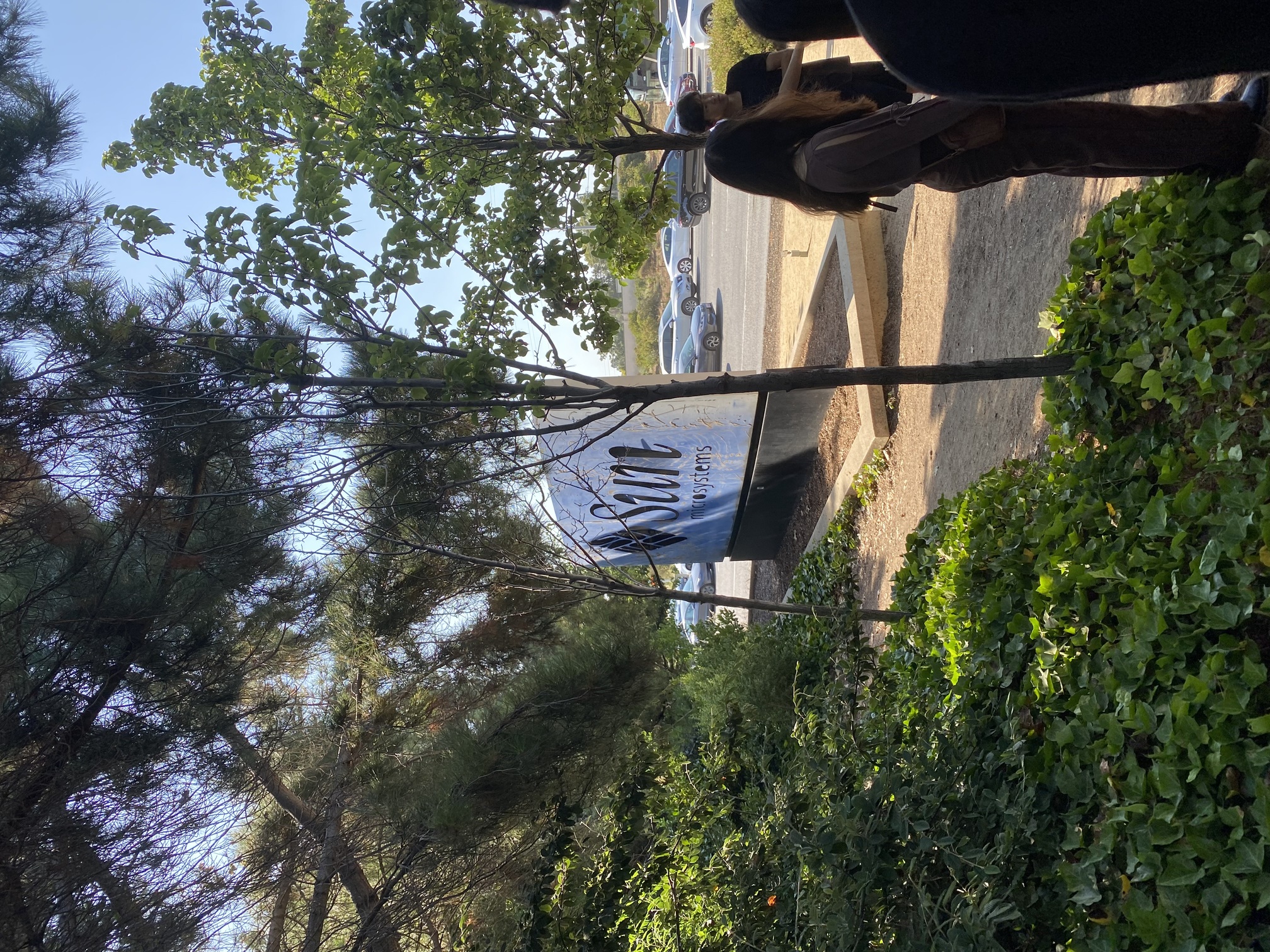
One interesting detail: they kept the old Sun Microsystems sign from when the building was theirs.
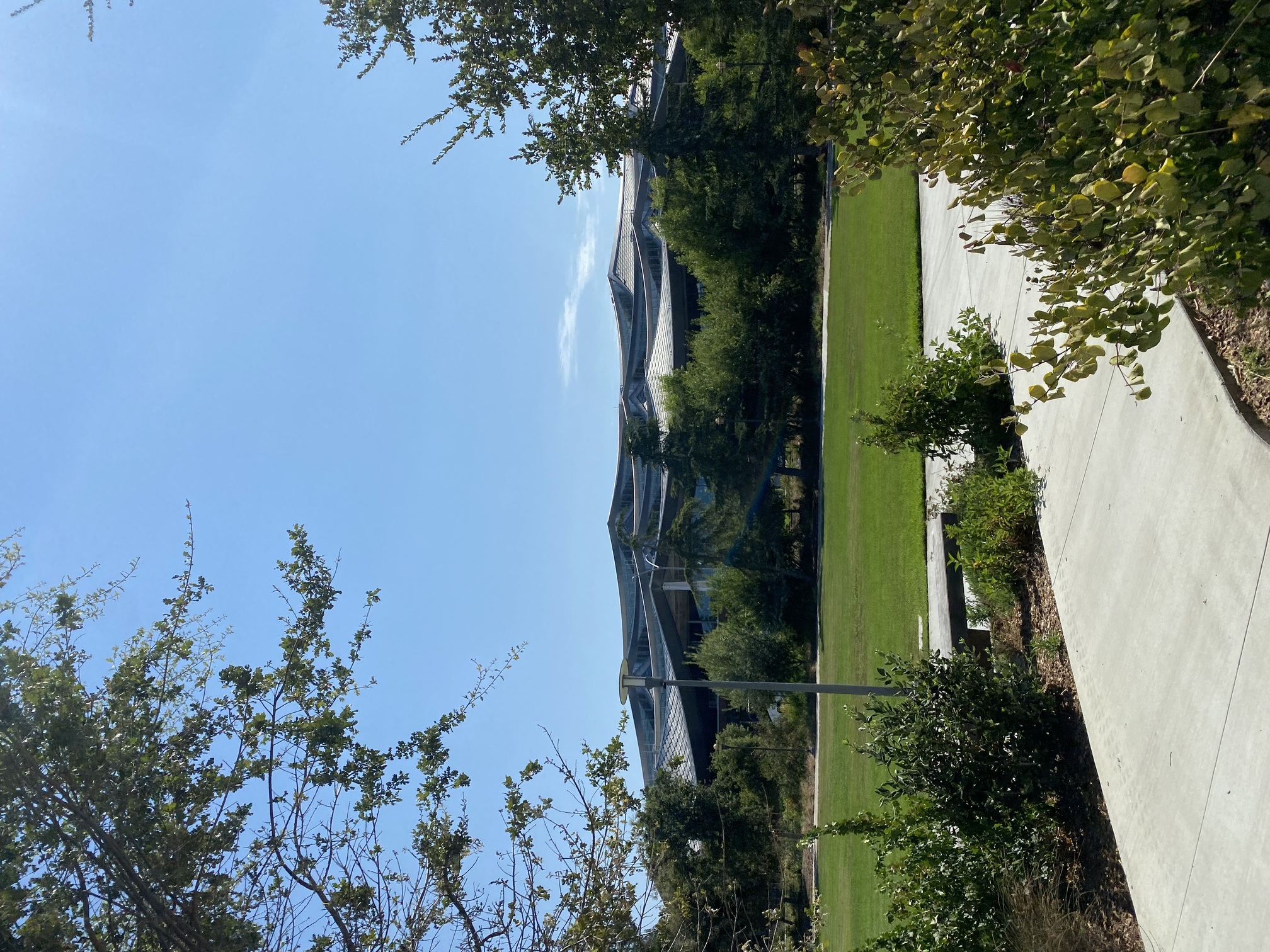
Then Google again — already been, so the novelty was lower. But I finally rode the bike.
Last stop was the Apple Visitor Center.
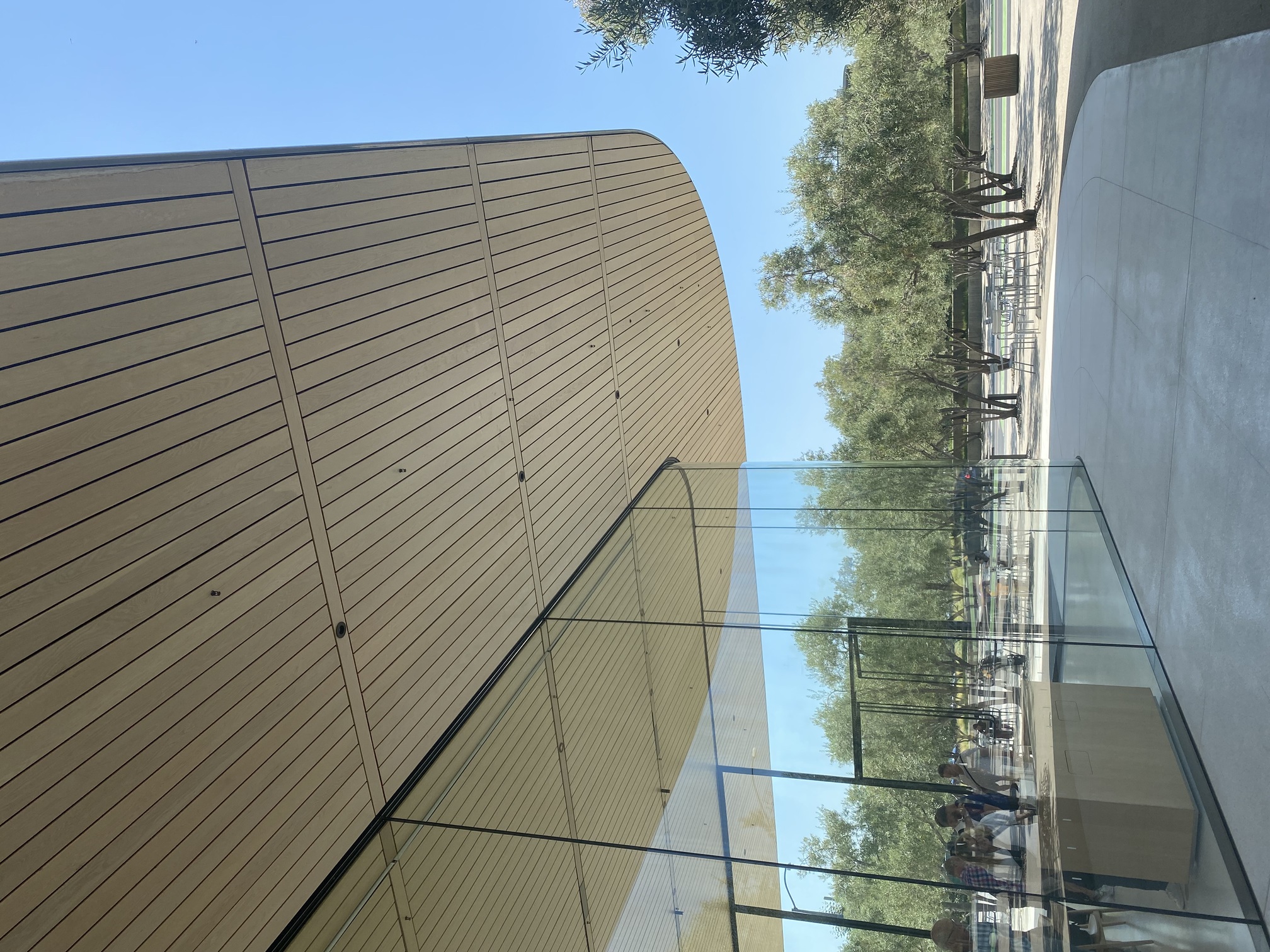
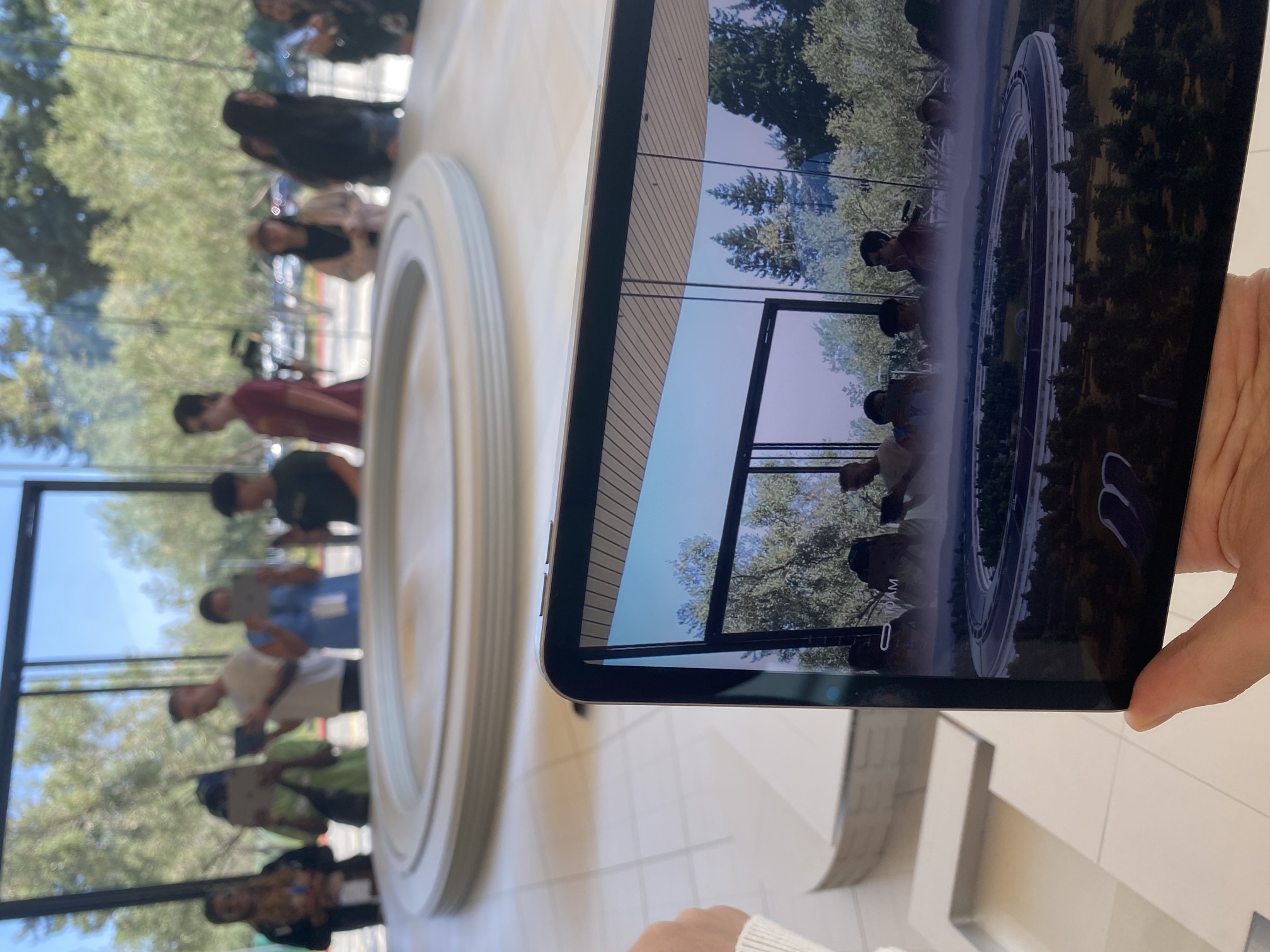
It was exactly as well-designed as you’d expect from Apple. I got to visit the second-floor terrace this time — you can just barely make out the actual campus from there. You can’t enter the main ring, but there’s a scale model and an iPad AR experience that lets you explore it in detail.
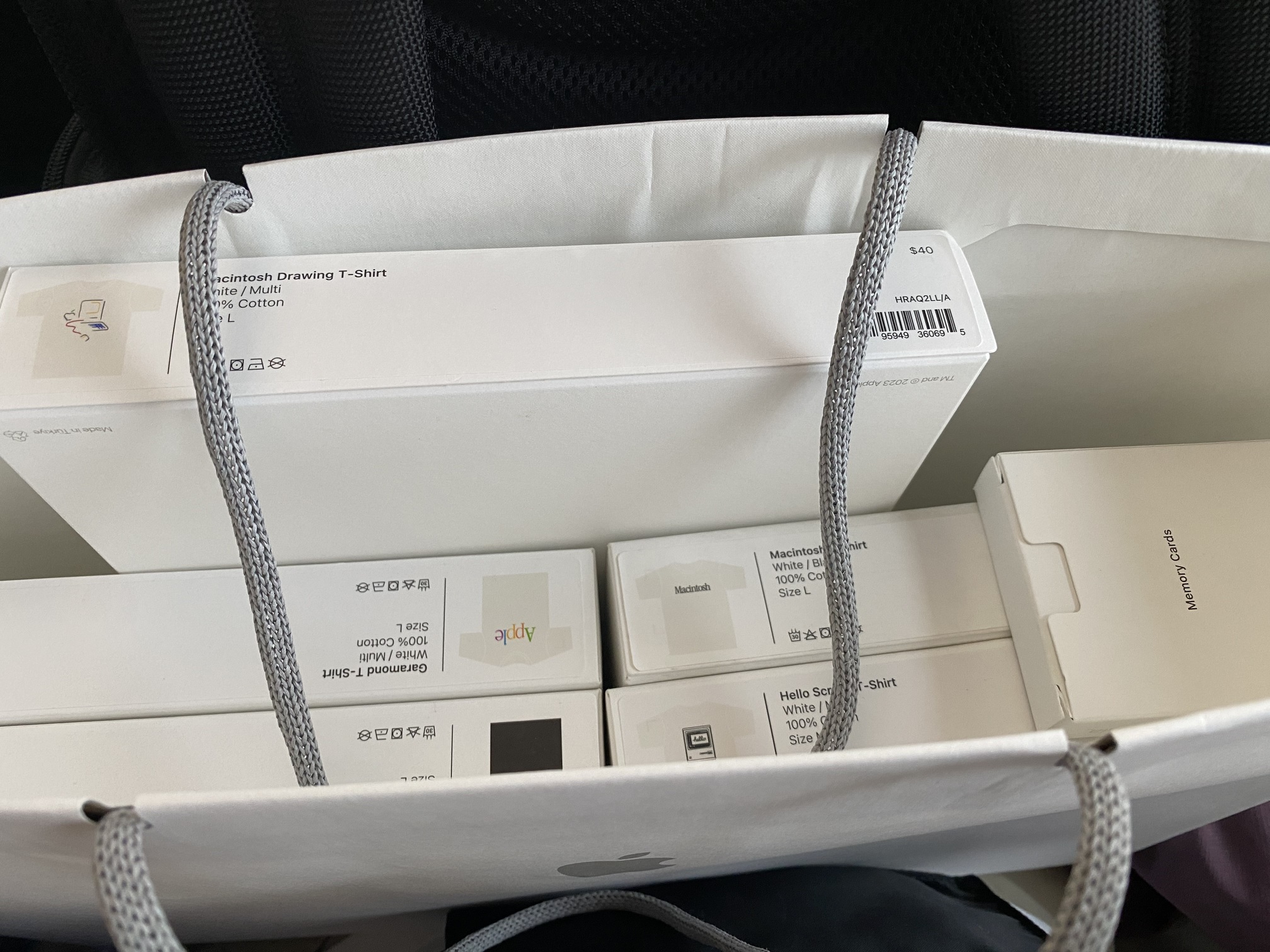
I’d been holding back on spending, but went all in here. I was on a free trip, after all.
Back at campus, we had a prompt engineering session. Covered a lot of things I already knew, so I could actually answer questions when they came up. Then a stop at the Stanford Shopping Center before heading back.
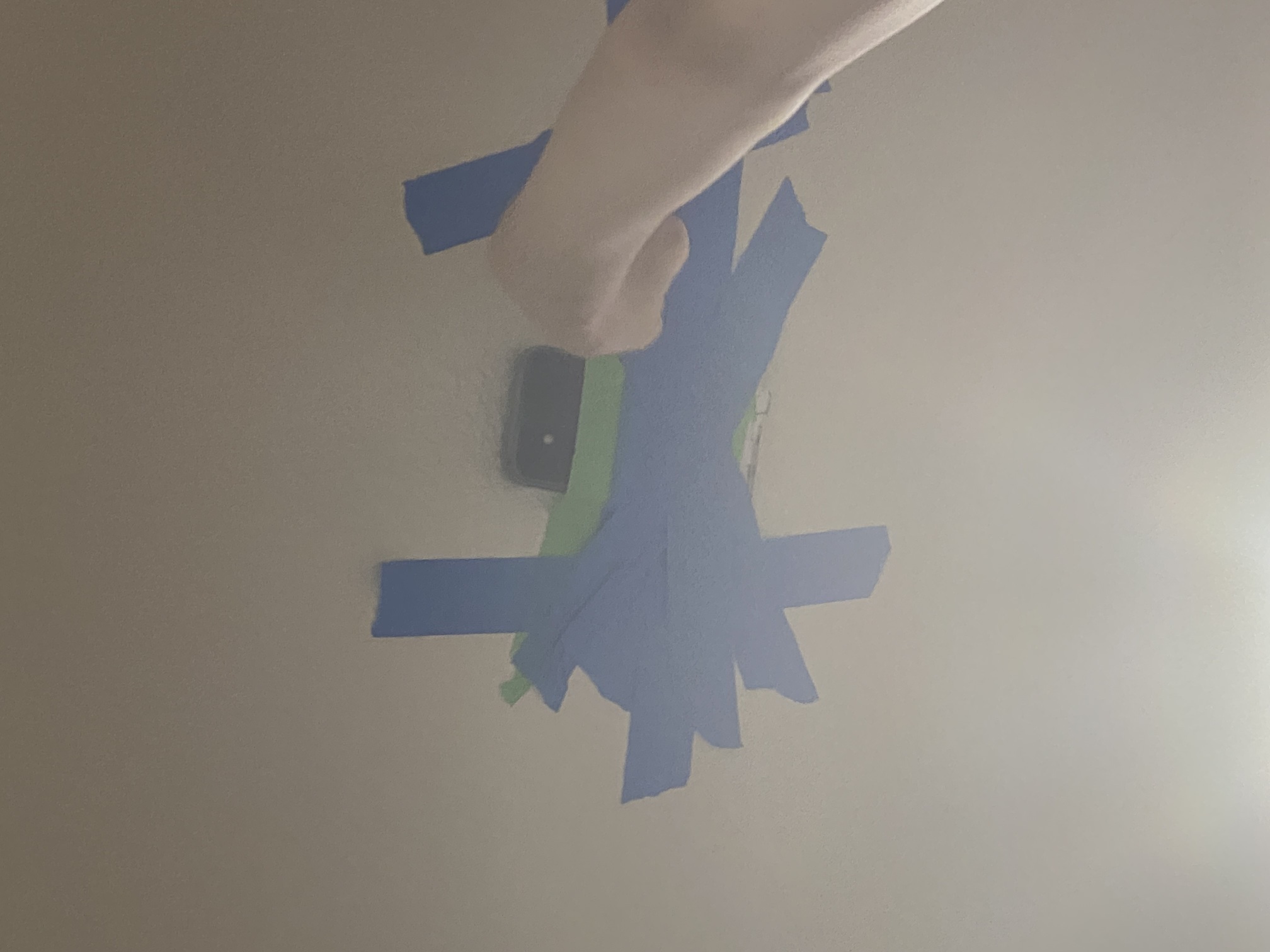
At 3 AM someone was attaching a phone to the ceiling. We stayed up absurdly late every night — honestly impressive we were still functional.
Day 10 (7/25)
Full day of working on the final presentation. Video editing, finding reference materials, putting everything together.
Afterward we went to Walmart.
I think we pulled an all-nighter that night. We gathered in a study room, worked on the presentation, and just hung around. At some point I ended up teaching someone else Figma while they were working on a prototype.
Day 11 (7/26)
Final presentations. Each team showed their video and gave a brief explanation. We thought ours went pretty well. I was exhausted from the night before but held it together.
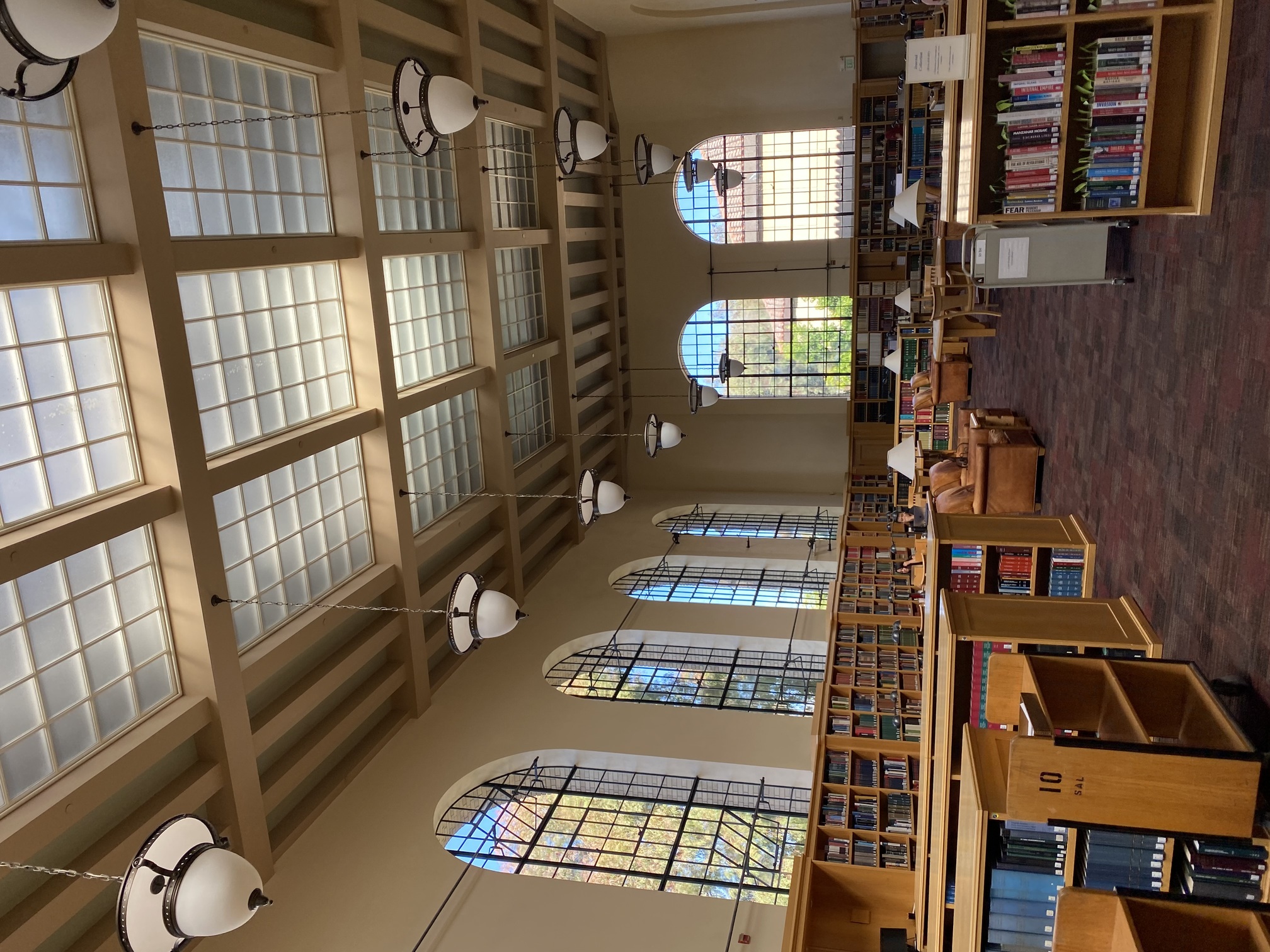
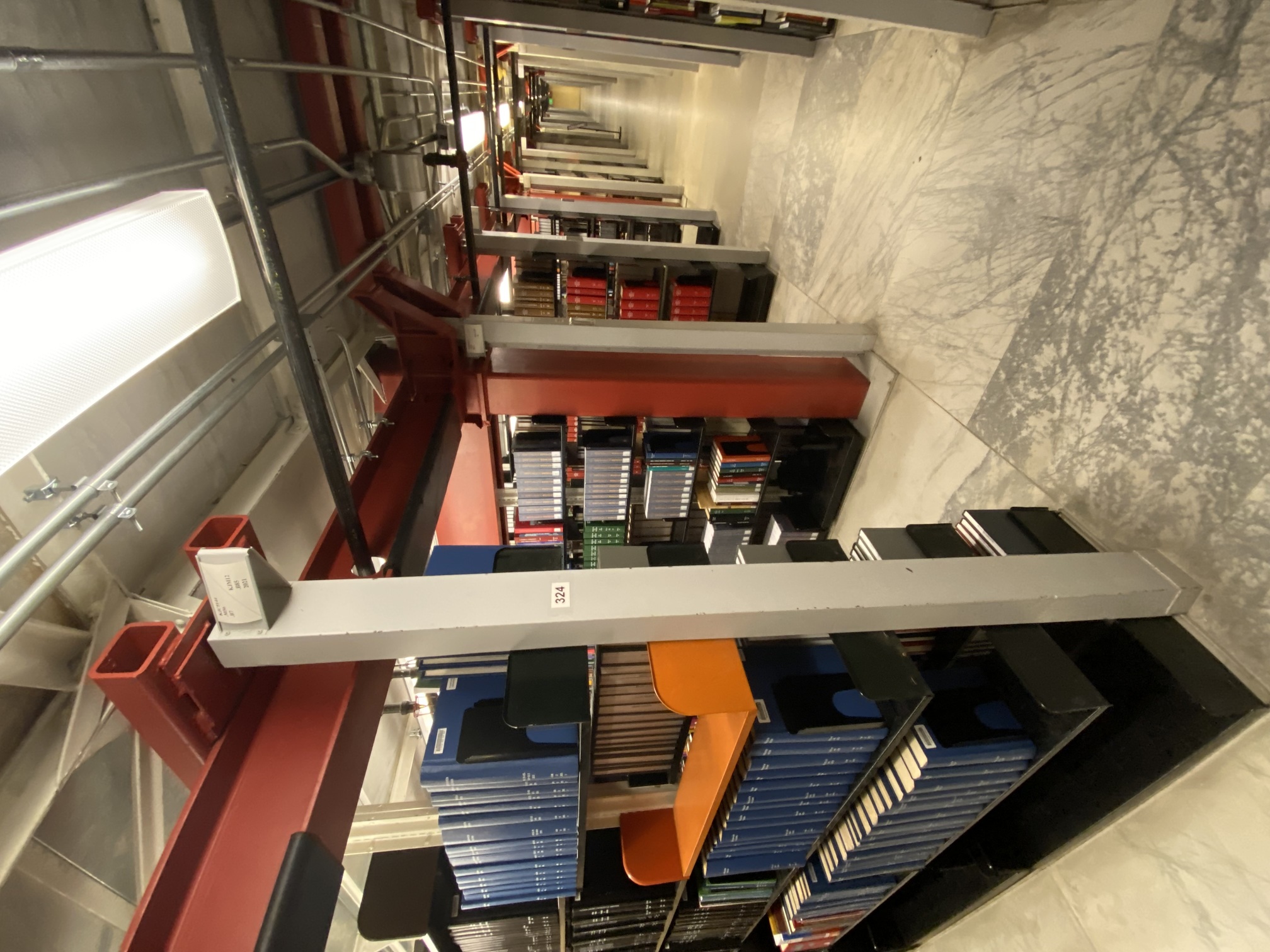
Since it was the last day, we walked around Stanford’s facilities. The library was the most memorable part — multiple buildings, a massive collection. Unusual reading rooms, sections with lowered ceilings to fit as many shelves as possible. Books and archives from all over the world, packed in tight.
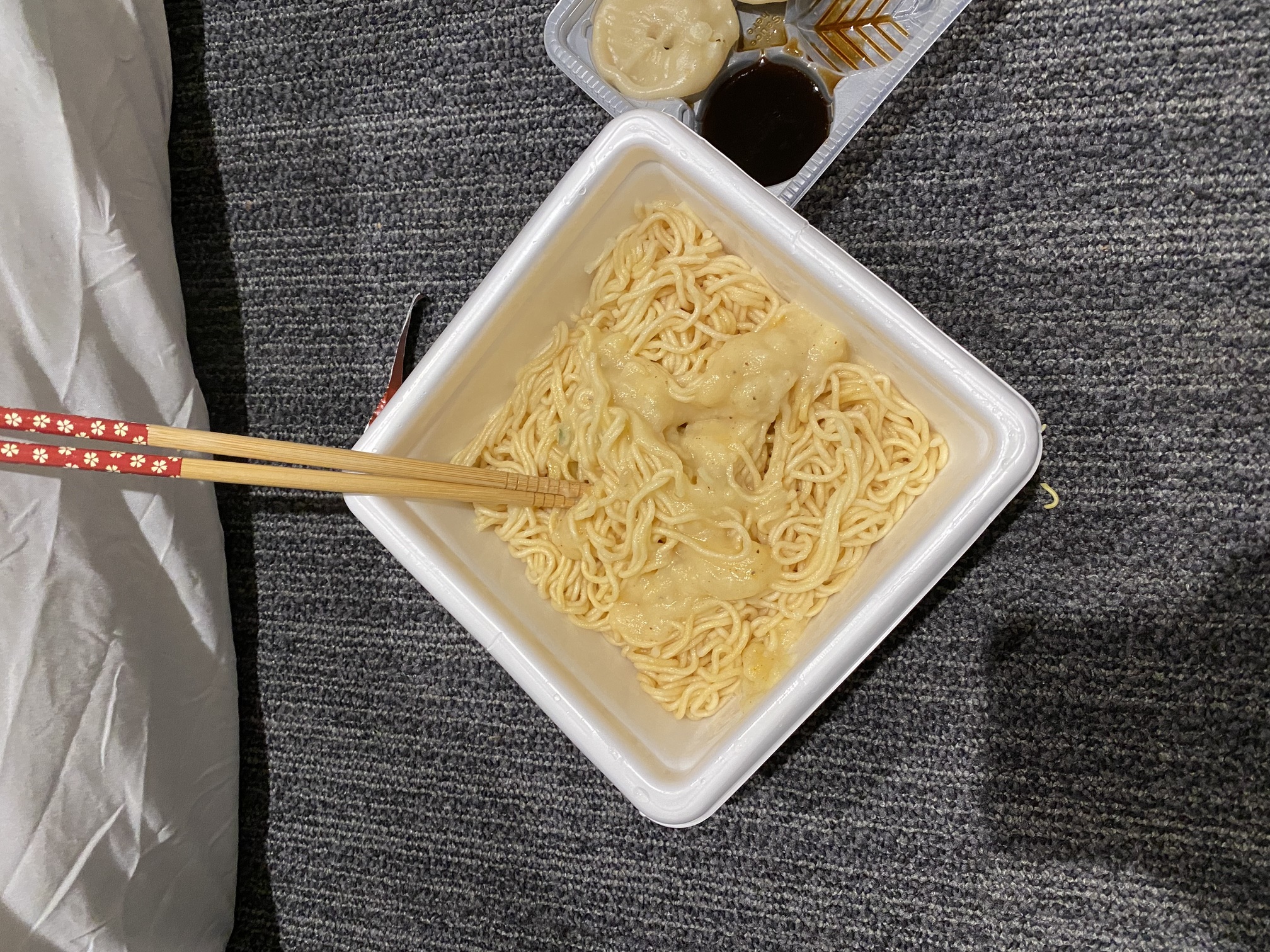
That night someone found a new Japanese instant ramen in the bathroom. We were going to make it, but it looked too sketchy to actually eat.
Day 12 (7/27)
Airport. Flight home.
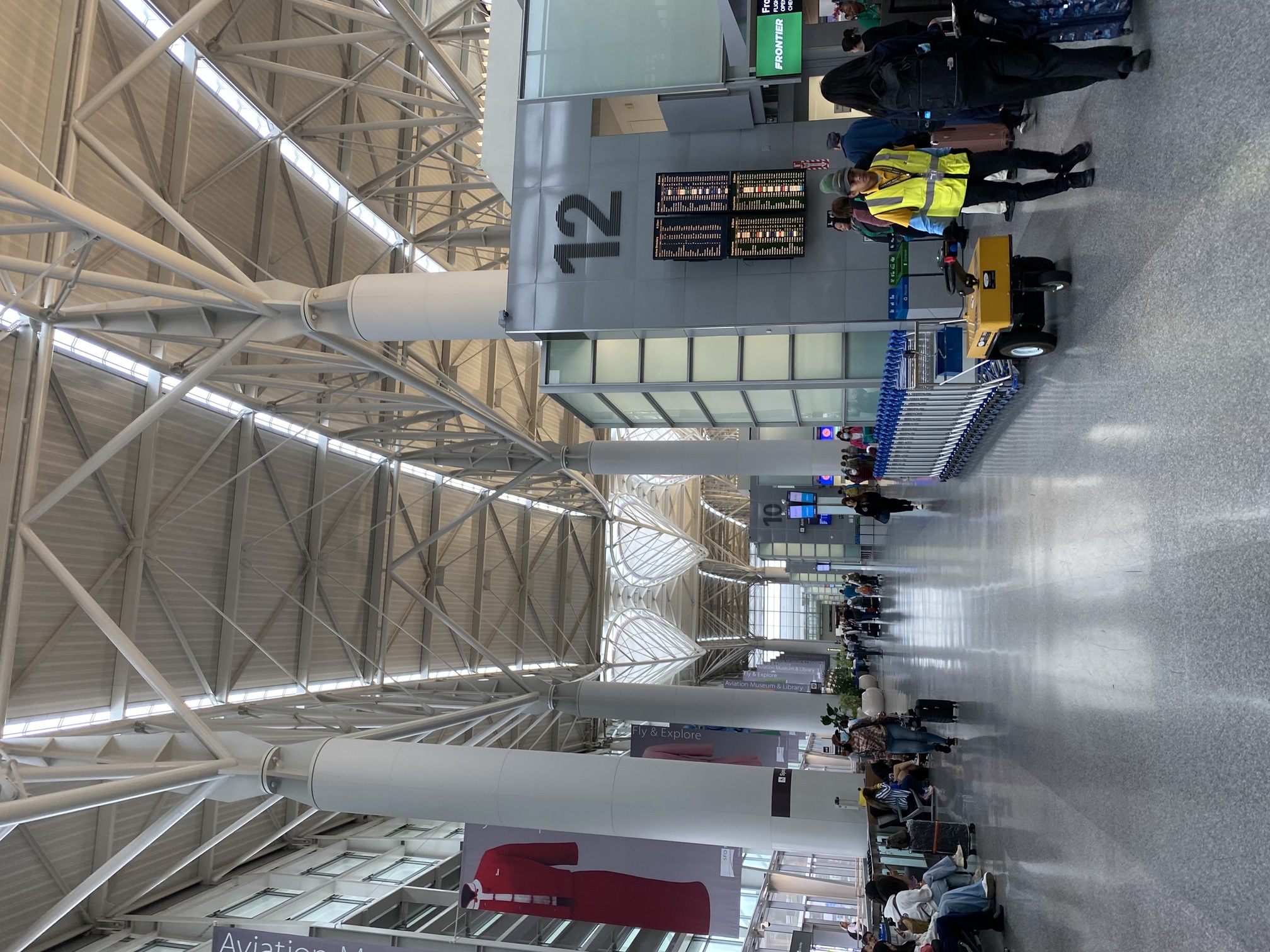
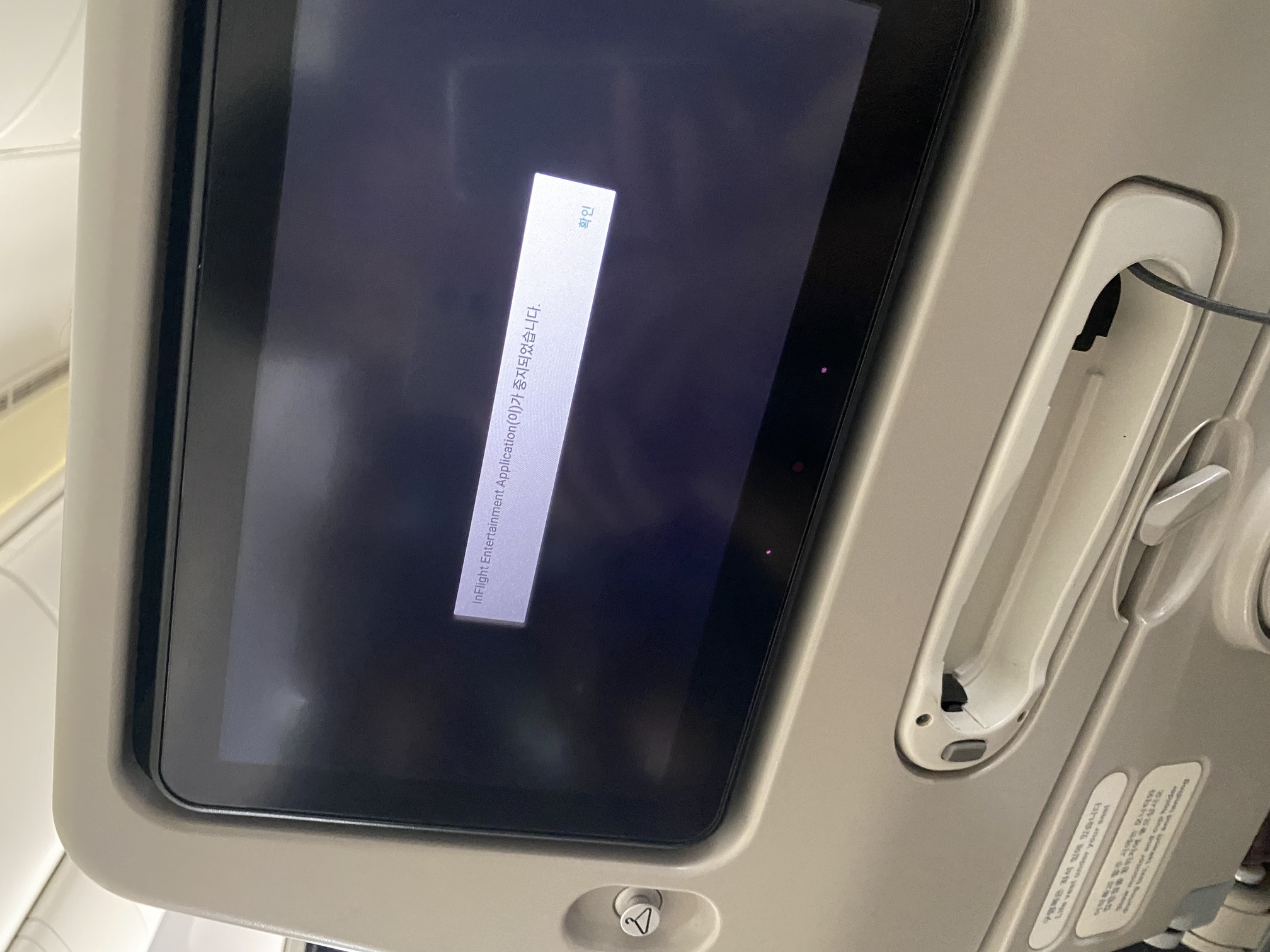
I confirmed that Korean Air’s in-flight entertainment system runs Android.
Wrote a message in the rolling paper we were making for the teachers.
Landed.
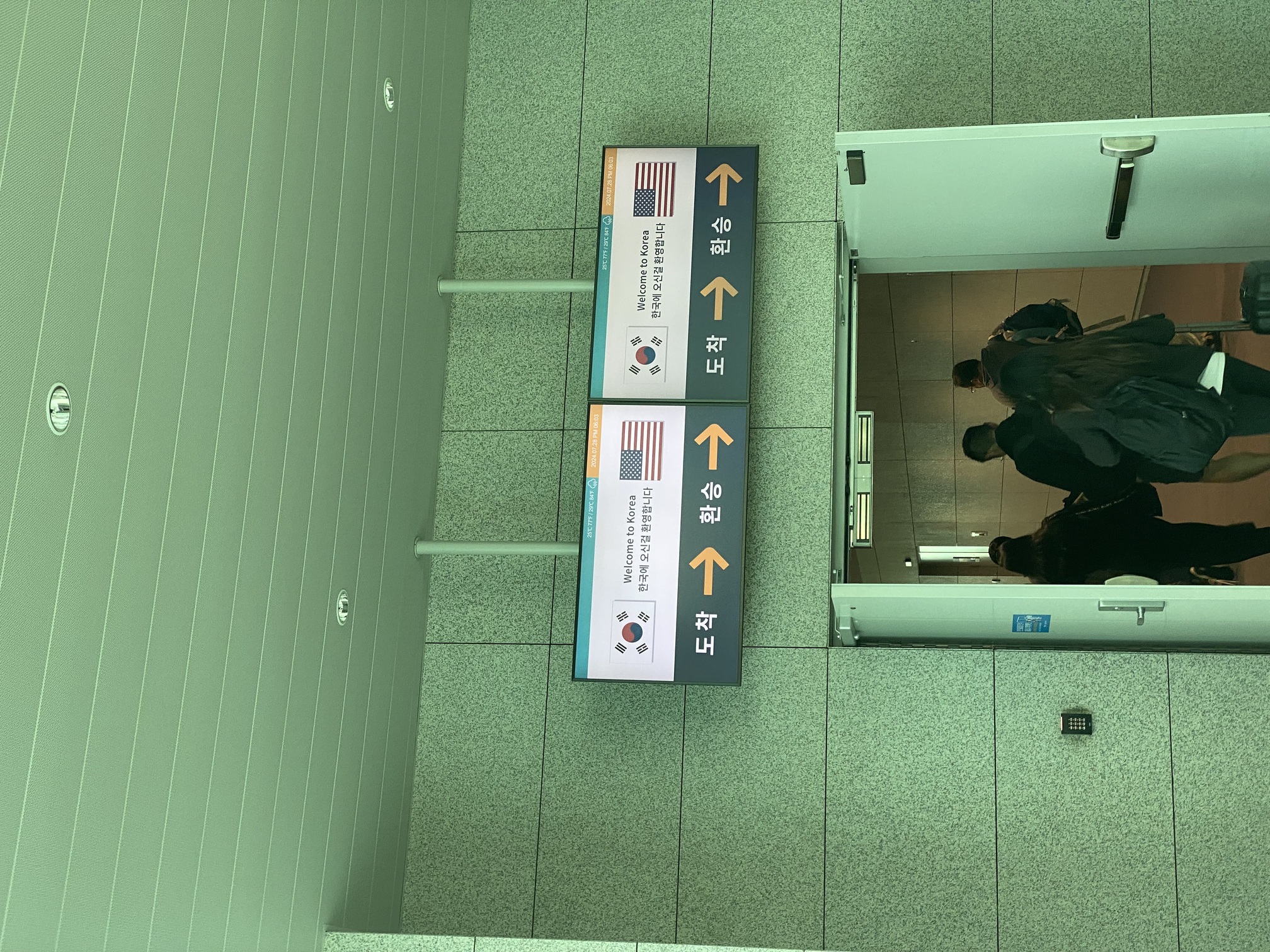
And that was the end of the 12-day US camp.
Thoughts
The LG AI Youth Camp that started in late 2023 wrapped up in the summer of 2024. I’d been following AI for a while, and when I found a competition specifically about building real software with it, I jumped in immediately. I almost missed the application deadline because I didn’t notice the written fields until 30 seconds before it closed, so I genuinely wasn’t expecting much — which made getting in, and then making it to the US, feel all the more surprising. I’m really grateful to the professors who saw something in our project, and to my teammates and mentor.
The whole experience was a good way to grow — two extended periods of collaboration, once in Korea and once in the US, each with their own challenges. Getting to visit Silicon Valley as someone who actually cares about this space was motivating in a way that’s hard to explain. Visiting a VC firm through LG, hearing from a Google engineer about what work really looks like there — that kind of access is rare, and I left wanting to come back on my own terms someday.
I kept putting off finishing this post, and now it’s almost been a year. Going back through the memories to write it was genuinely fun. I want to hold onto that feeling and keep working toward what I’m trying to do.